Category | Quality Management
Last Updated On 03/06/2026
Global IT spending is projected to surpass $5 trillion, yet many organizations still struggle to clearly articulate the value in IT services they deliver. This disconnect raises a critical question: is IT truly driving business outcomes, or simply keeping the lights on?
For IT professionals, service managers, and business leaders, this is no longer a theoretical concern—it’s a strategic priority. As organizations invest heavily in digital transformation, the pressure to demonstrate service value in IT organizations has never been higher. You may already be asking:
The answer lies in understanding service value—a shift from focusing on outputs like uptime and ticket resolution to emphasizing outcomes such as customer experience, efficiency, and growth. Today, IT service value is defined not by what is delivered, but by the difference it makes.
In this blog, we will break down what value in IT services truly means, how it is created, and how modern organizations can consistently deliver measurable, business-aligned results.
At its core, service value in IT organizations refers to the perceived benefits, usefulness, and importance of IT services to stakeholders. It is not just about delivering a service—it is about delivering outcomes that matter.
Many organizations confuse outputs with value. For example:
This distinction is critical in understanding service value.
Consider a cloud migration project:
This is where value in IT services becomes meaningful—it directly contributes to business success.
In today’s digital-first world, IT is no longer just a support function. It is a strategic driver of growth.
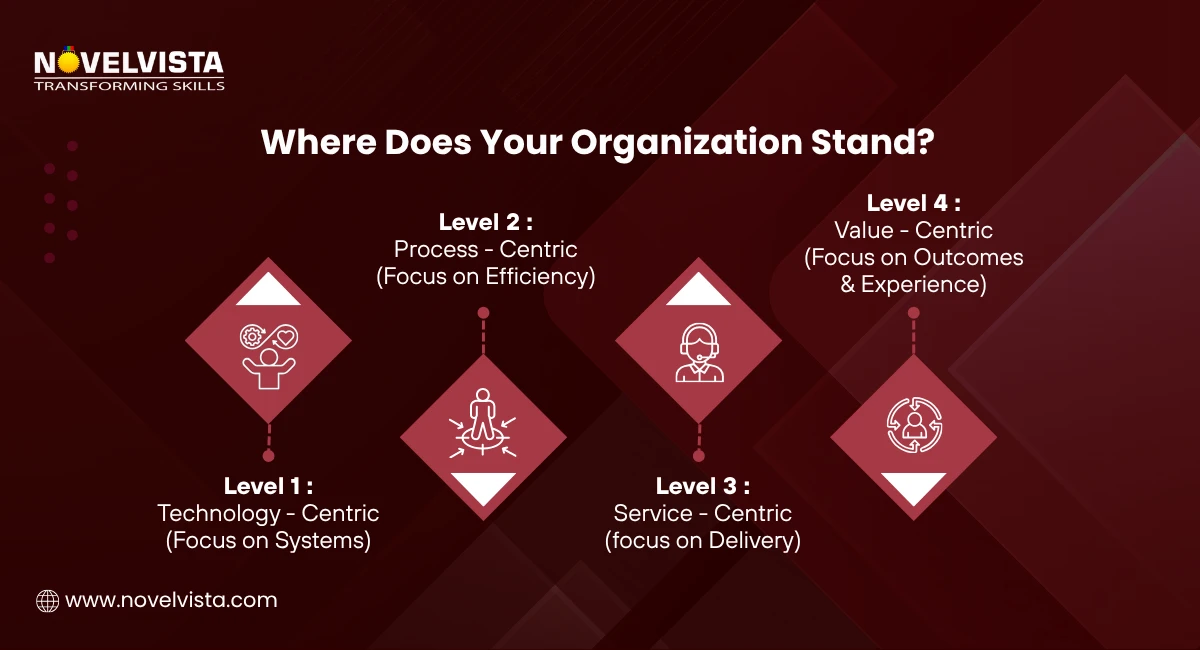
Users expect seamless, fast, and reliable services. If IT fails, customer satisfaction drops.
Organizations demand measurable ROI from IT investments. Delivering IT service value ensures that IT aligns with business goals.
Modern frameworks emphasize collaboration between IT and stakeholders. Value is not delivered—it is co-created.
This shift makes service value in IT organizations a central focus for leadership and strategy.
To fully grasp understanding service value, it is essential to break it into its core components.
Does the service do what it is supposed to do?
Is the service reliable, available, and secure?
How do users perceive the service? Experience often defines value in IT services.
Outcomes represent real business benefits, while outputs are just deliverables.
By focusing on these elements, organizations can significantly improve IT service value.
A widely accepted approach to understanding service value comes from ITIL (Information Technology Infrastructure Library).
The SVS ensures that all components of an organization work together to facilitate value creation.
This includes activities such as:
Each step contributes to service value in IT organizations.
Value is not static. Organizations must constantly refine services to maintain relevance.
Delivering IT service value requires a structured approach.
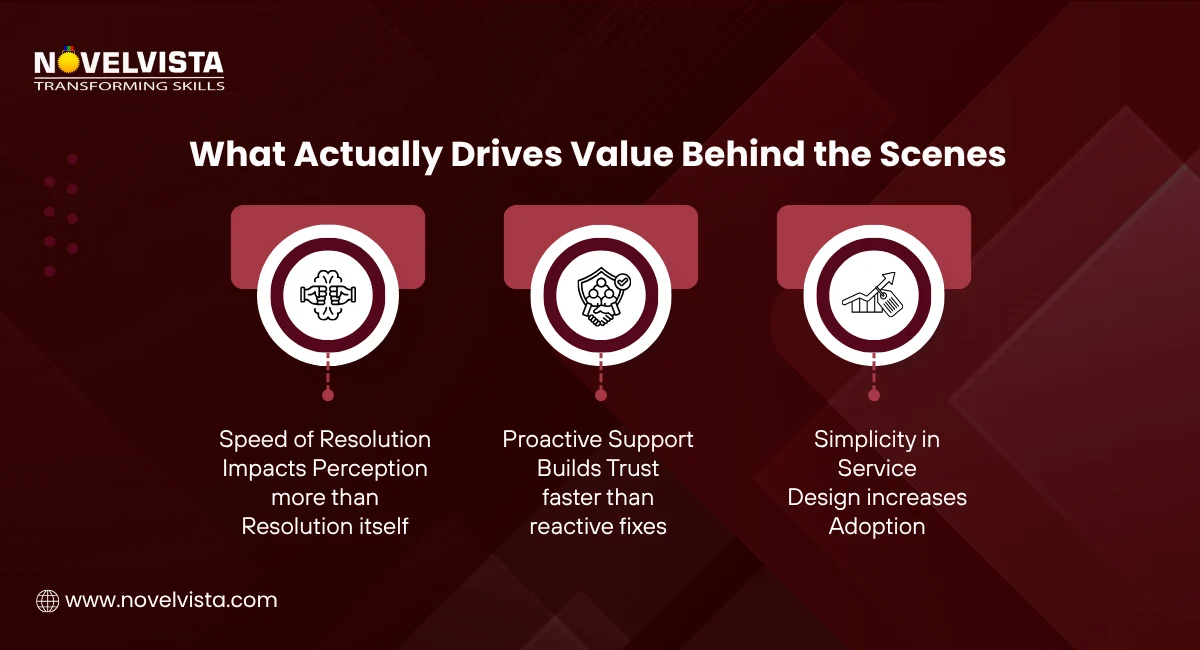
IT initiatives should directly support organizational objectives.
Use KPIs such as:
Continuous feedback helps refine services and enhance value in IT services.
Shift from “What did we deliver?” to “What did we achieve?”
This mindset is essential for improving service value in IT organizations. For professionals aiming to validate their expertise in service value in IT organizations, an ISO 20000 Exam guide can provide the clarity and structure needed to master key concepts and succeed with confidence.
Despite best efforts, many organizations struggle with understanding service value.
IT often operates in silos, disconnected from business priorities.
Without proper measurement, it is difficult to demonstrate IT service value.
Technology alone does not create value—outcomes do.
Cultural barriers can hinder value-driven transformation.
Addressing these challenges is key to unlocking true value in IT services.
Improving service value in IT organizations requires intentional strategies.
Understand user needs and design services accordingly.
Analytics can reveal gaps and opportunities in service delivery.
Automation reduces errors and improves efficiency, enhancing IT service value.
Encourage teams to innovate and refine processes.
Cross-functional collaboration enhances understanding service value.
The concept of service value in IT organizations is evolving rapidly.
AI-Driven Service Management
AI is transforming how organizations deliver IT service value by enabling predictive support and proactive issue resolution before disruptions occur. Instead of reacting to incidents, IT teams can anticipate problems using data and analytics, significantly improving service value in IT organizations. This shift not only reduces downtime but also enhances efficiency and overall value in IT services.
Experience-Centric IT
Organizations are increasingly prioritizing user experience as a core element of understanding service value. Beyond technical performance, the focus is now on how users interact with services and how seamless those experiences feel. This evolution ensures that IT service value is measured not just by functionality, but by satisfaction and engagement.
Value-Based Transformation
Future IT strategies are being shaped around measurable outcomes and tangible business impact, redefining service value in IT organizations. Instead of focusing solely on delivery, organizations are aligning IT initiatives with strategic goals to maximize value in IT services. This approach strengthens decision-making and reinforces the importance of understanding service value in driving long-term success.
This evolution reinforces the importance of understanding service value in a dynamic environment. A clear understanding of Roles and Responsibilities in ISO 20000 helps organizations strengthen accountability, improve governance, and consistently deliver high service value in IT organizations.
In today’s digital-first landscape, where IT underpins every critical business function, service value in IT organizations is no longer a differentiator—it is a necessity for survival and growth. Organizations that fail to demonstrate real value in IT services risk falling behind in an increasingly competitive and experience-driven market.
Maximizing IT service value requires more than efficient operations; it demands a clear focus on outcomes, strong alignment with business objectives, and a commitment to continuous improvement. The real shift lies in understanding service value—moving beyond what IT delivers to the tangible impact it creates for users and the business.
As technology evolves and expectations rise, organizations that embed service value in IT at the core of their strategy will not only deliver better services but also drive innovation, strengthen customer trust, and achieve sustainable success.

Ready to take your expertise in service value in IT organizations to the next level?
Join NovelVista’s ISO/IEC 20000:2018 Lead Auditor Certification Training and gain hands-on auditing skills, practical insights into IT service value, and a globally recognized credential. Designed for IT leaders and ITSM professionals, this course empowers you to assess, improve, and deliver measurable value in IT services while strengthening your approach to understanding service value in real-world environments.
Start your ISO 20000 auditor journey today
Author Details

Course Related To This blog
ISO 20000:2018 Lead Auditor
Confused About Certification?
Get Free Consultation Call
Stay ahead of the curve by tapping into the latest emerging trends and transforming your subscription into a powerful resource. Maximize every feature, unlock exclusive benefits, and ensure you're always one step ahead in your journey to success.