Category | Quality Management
Last Updated On 06/02/2026
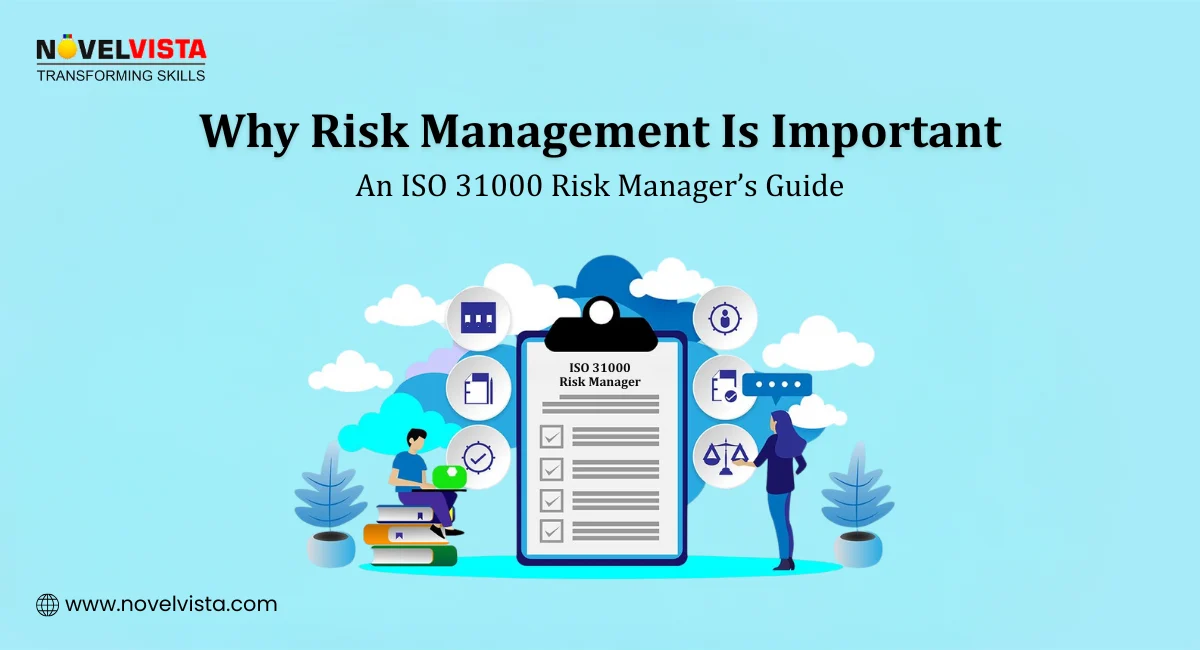
Every organization today operates in an environment filled with uncertainty. Cyberattacks are increasing year over year, supply chains remain fragile, regulatory requirements are tightening, and even small operational failures can quickly turn into reputational crises. According to global risk reports, businesses lose billions annually due to unmanaged risks, many of which could have been anticipated and mitigated.
This is exactly why risk management is important. It is no longer a “nice-to-have” or a checkbox activity reserved for audits. Risk management has become a strategic capability that directly influences business continuity, growth, and long-term survival. Organizations that fail to identify and manage risks proactively often find themselves reacting too late when the damage is already done.
ISO 31000, the international standard for risk management, provides a structured yet flexible framework to address this challenge. In this guide, we’ll explore why risk management is important, how ISO 31000 approaches risk, and what risk managers and leaders can do to build a resilient, risk-aware organization.
Risk management is the coordinated process of identifying, analyzing, evaluating, and treating risks that may affect an organization’s objectives. Under ISO 31000, risk is defined simply as the “effect of uncertainty on objectives,” which means risks can be negative threats or positive opportunities.
ISO 31000 emphasizes that risk management should:
Understanding why risk management is important starts with recognizing how deeply risk affects every business function from operations and finance to IT, compliance, and strategy.
Unexpected disruptions can halt operations, impact customers, and cause financial losses. Whether caused by system downtime, supplier failure, or a regulatory breach, unmanaged risks threaten business continuity. Risk management helps organizations identify critical risks early, put effective controls and contingency plans in place, and reduce the impact of disruptive events. This ability to prepare rather than panic clearly explains why risk management is important for organizational stability.
Leadership decisions are rarely made with complete certainty, and risk management provides structured insights into potential consequences, likelihood, and impact. By integrating risk assessment into decision-making, leaders make informed and balanced choices, strategic planning becomes more realistic, and opportunities are pursued with calculated confidence. This is another core reason why is risk management important at the leadership level.
Regulatory expectations continue to increase across industries. From data protection laws to financial reporting and operational compliance, organizations face growing scrutiny.
A strong risk management framework:
ISO 31000 strengthens governance by embedding risk accountability across the organization, highlighting again why risk management is important for compliance-driven environments.
Resilient organizations don’t just survive disruptions they adapt and recover quickly. Risk management builds organizational resilience by preparing teams for uncertainty, enabling faster crisis response, learning from incidents, and continuously improving controls. This adaptability reinforces why risk management is important in a constantly changing business landscape.
See how ISO 31000 shapes today’s risk roles
Learn the key skills employers expect
Get a practical roadmap to advance your risk career
ISO 31000 doesn’t treat risk management as a separate function. Instead, it integrates risk thinking into strategy, operations, and culture.
By embedding risk management into everyday processes, ISO 31000 ensures risks are identified early and managed consistently. This integrated approach is a major reason why risk management is important for sustainable success.
When implemented properly, risk management delivers tangible business value not just compliance.
Some key benefits include:
These outcomes clearly demonstrate why is risk management important beyond audits and certifications. Stay aligned with global best practices by understanding the ISO 31000 latest version for effective risk management.
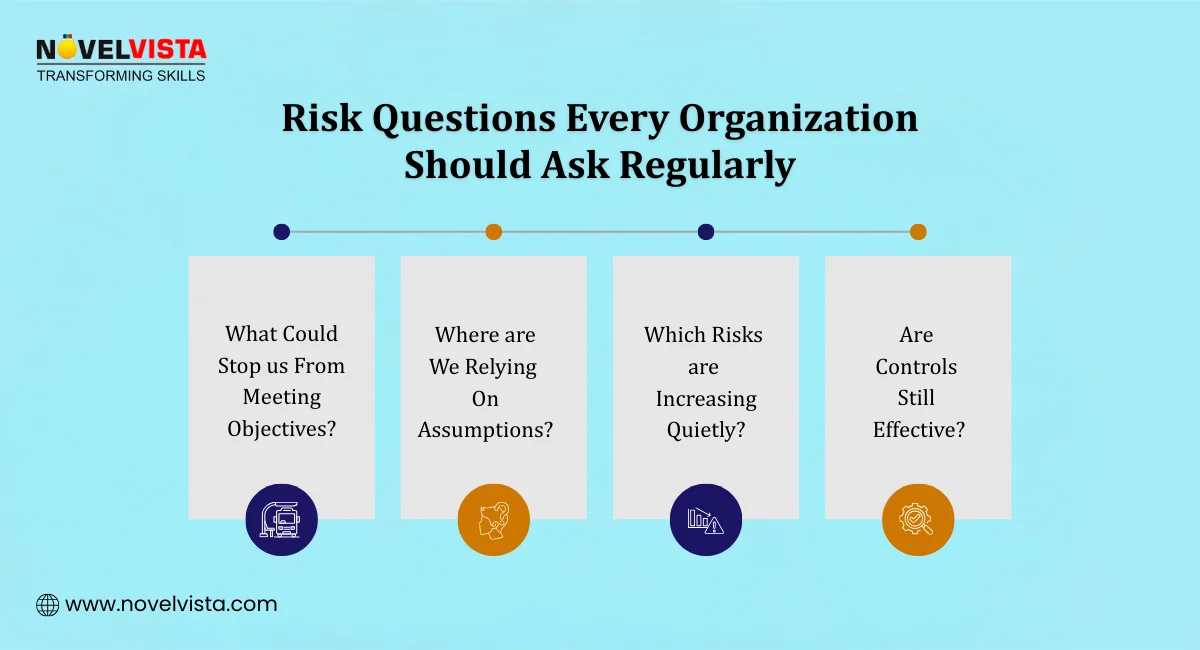
Organizations that ignore structured risk management often face recurring issues across multiple areas.
Unplanned expenses, budget overruns, and fraud can severely impact profitability and cash flow. Without structured controls, financial risks often go unnoticed until losses become significant. This highlights why risk management is important for maintaining financial stability and investor confidence.
Process failures, system outages, and human errors disrupt daily operations and service delivery. Even minor operational risks can escalate into major incidents if left unmanaged. This is another reason why risk management is important for ensuring efficiency and reliability.
Data breaches and cyber incidents continue to rise, affecting trust, compliance, and business continuity. Weak security controls expose organizations to financial penalties and reputational damage.
Non-compliance can result in penalties, lawsuits, and long-term reputational damage. Regulatory changes and audit findings can quickly overwhelm unprepared organizations. This reinforces why risk management is important for meeting legal obligations and governance standards.
Poorly informed decisions can derail long-term objectives and weaken competitive advantage. Strategic risks often stem from ignoring emerging threats or market changes. Recognizing helps leaders align strategy with uncertainty.
Each of these examples reinforces why is risk management important to protect both short-term operations and long-term strategy.
ISO 31000 provides a clear, repeatable process that organizations can adapt to their context.
This structured approach explains it is important as a discipline, not just a one-time activity.
Risk managers play a crucial role in shaping organizational awareness and preparedness, but risk management succeeds only when leadership actively supports it. Leaders who prioritize risk management promote a risk-aware culture, encourage transparent reporting of risks, and align risk appetite with overall business strategy. This strong collaboration between risk managers and leadership clearly shows its importance as a shared responsibility, rather than a siloed or isolated function.
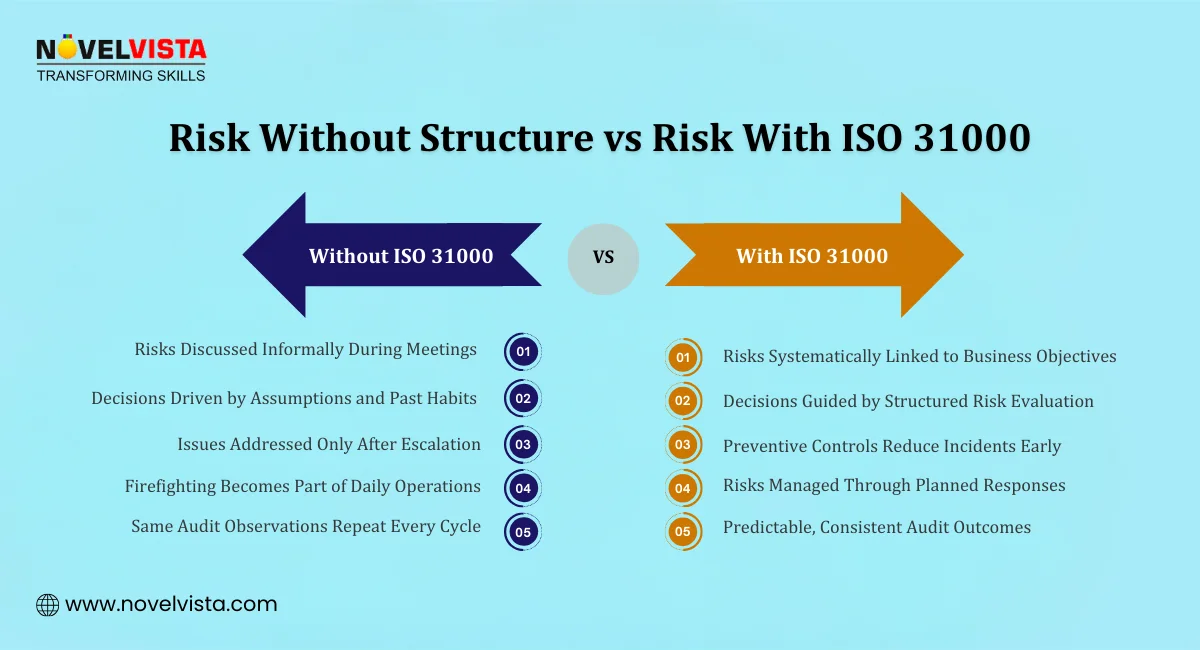
Organizations new to ISO 31000 can start with practical, manageable steps:
Starting small and improving consistently is often the most effective way to realize why risk management is important in real-world operations.
In today’s unpredictable business landscape, uncertainty may be inevitable, but unmanaged risk is a choice. Understanding why risk management is important enables organizations to move beyond reactive firefighting and build true, long-term resilience. With ISO 31000, risk is no longer treated as an afterthought; it becomes an integral part of strategy, decision-making, and governance. For organizations, leaders, and risk professionals, effective risk management is no longer optional it is a strategic capability that protects value, ensures compliance, and drives sustainable success.

Author Details

Confused About Certification?
Get Free Consultation Call
Stay ahead of the curve by tapping into the latest emerging trends and transforming your subscription into a powerful resource. Maximize every feature, unlock exclusive benefits, and ensure you're always one step ahead in your journey to success.