Category | Quality Management
Last Updated On 24/03/2026

Did you know that nearly 60% of service quality issues originate during the design phase, not during delivery? Despite investing heavily in operations and tools, many organizations still struggle with inconsistent service outcomes.
So what’s going wrong?
The answer often lies in weak design and development processes, something that ISO 9001 specifically addresses under Clause 8.3.
If you're working in:
This guide will help you master auditing clause 8.3 within the ISO 9001 framework.
In this blog, you’ll learn how to conduct a service design audit, evaluate design inputs and outputs, and ensure proper design validation, all aligned with ISO 9001 best practices.
Under ISO 9001, Clause 8.3 focuses on the design and development of products and services, making it a critical area for ensuring quality at the source. When auditing clause 8.3, auditors can structure their evaluation across four key phases that align with the standard’s sub-clauses:
In this phase, auditing clause 8.3 ensures that organizations systematically plan their design and development activities. Auditors verify whether a structured approach is defined, including stages, responsibilities, timelines, and required resources to manage the design process effectively from the start.
Here, the focus is on whether organizations clearly define and control requirements. This includes checking that customer needs, regulatory requirements, and business objectives are properly identified, reviewed, and documented as design inputs, forming a solid foundation for development.
This phase involves evaluating the controls applied throughout the design process. While auditing clause 8.3, auditors assess whether reviews, verifications, and design validation activities are in place to ensure that the design is progressing as intended and risks are managed effectively.
Finally, auditors verify that the design outputs meet the defined input requirements. This includes confirming that the final service or product is documented, usable, and validated before delivery, ensuring it performs as expected and aligns with intended outcomes.
By organizing auditing clause 8.3 into these four phases Planning, Inputs, Controls, and Outputs auditors can follow a clear, structured approach that mirrors the actual design and development lifecycle in ISO 9001.
Service organizations often assume design controls are optional but ISO 9001 clearly mandates them.
In reality, service design includes:
This makes auditing clause 8.3 essential for ensuring quality at the source.
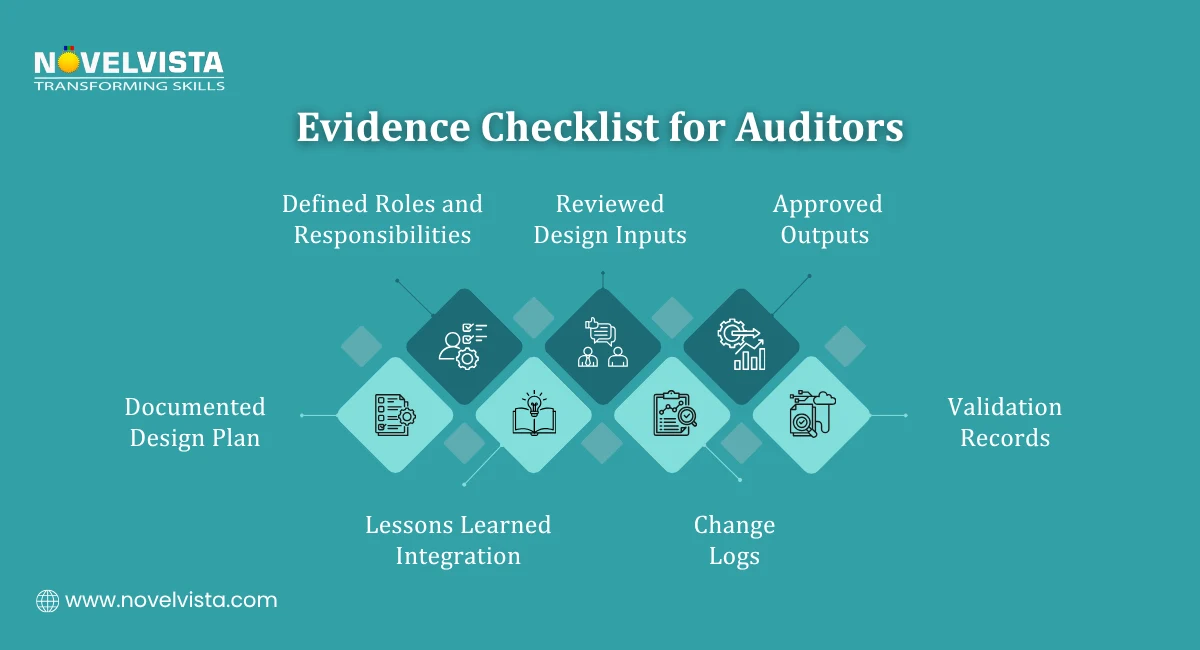
A service design audit in the context of ISO 9001 evaluates whether design processes are controlled, documented, and effective.
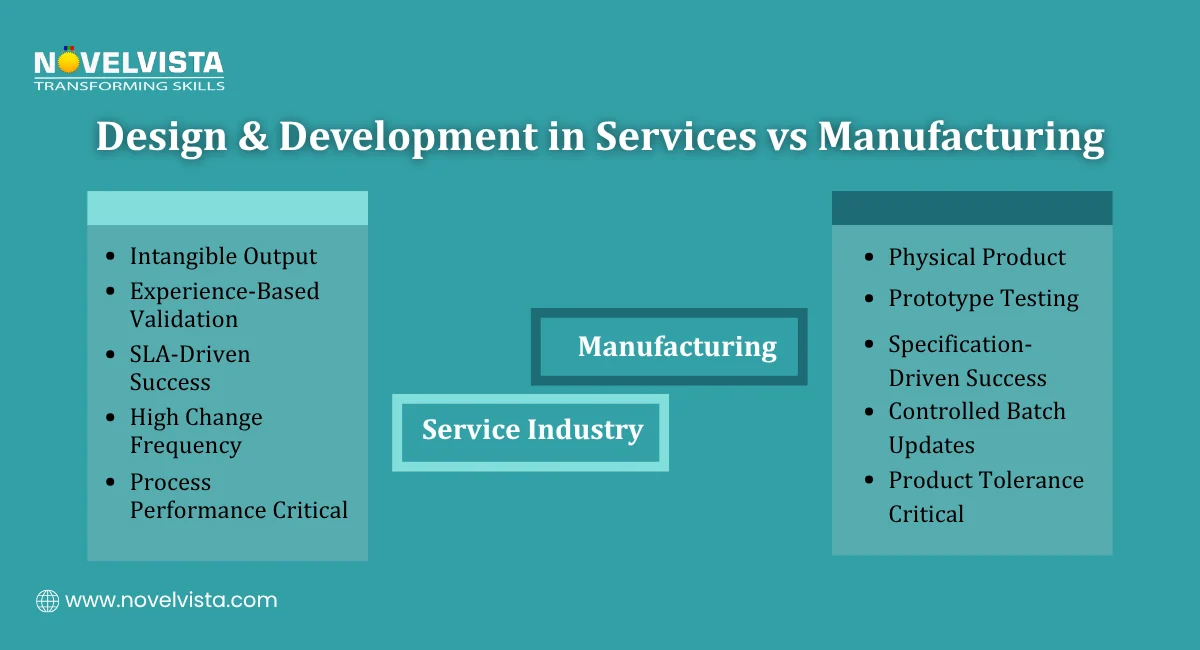
Unlike manufacturing, service audits require a deeper look into workflows and interactions rather than physical outputs. A strong service design audit ensures alignment with ISO 9001 requirements while maintaining flexibility.
One of the most important parts of auditing clause 8.3 in ISO 9001 is assessing design inputs and outputs.
During a service design audit, instead of just asking questions, auditors should actively look for specific, objective evidence to validate compliance while auditing clause 8.3:
To confirm that inputs are complete and approved, look for:
These documents help verify that all necessary design inputs and outputs are properly defined and captured.
To ensure outputs are aligned with inputs, review:
This ensures that outputs are practical, usable, and directly derived from the defined inputs.
To validate traceability between inputs and outputs, check for:
Strong traceability is essential when auditing clause 8.3, as it proves that every output is linked back to a validated input.
Poor management of design inputs and outputs is one of the most common causes of non-conformities in ISO 9001 audits.
Career Insight:
The Role of the ISO 9001 Lead Auditor is to plan, conduct, and lead audits effectively, ensuring organizations comply with quality management standards while driving continuous improvement.
A key requirement of ISO 9001 Clause 8.3 is establishing controls throughout the design lifecycle.
When auditing clause 8.3, ensure:
Without proper controls:
A structured service design audit helps ensure compliance with ISO 9001 design control requirements.
Get Your Free Copy: Master Service Design Auditing Like a Pro
- Step-by-step service design audit framework
- Practical Clause 8.3 checklists
- Actionable insights for improvement
Design validation is critical in ensuring that services deliver expected results.
ISO 9001 requires organizations to confirm that outputs meet intended use before implementation.
While auditing clause 8.3, check:
Weak design validation is a major risk area in service organizations.
In service-based industries—especially IT and software—change is constant. New client requirements, evolving technologies, and shifting business priorities often lead to mid-stream modifications in design. This is where “scope creep” becomes one of the most common audit failures during auditing clause 8.3.
Under Clause 8.3.6, ISO 9001 requires organizations to control design and development changes to ensure they do not negatively impact service quality. During a service design audit, auditors specifically look for how these changes were identified, reviewed, and approved before implementation.
In IT and software environments, lack of proper version control can lead to inconsistencies, errors, and service degradation. Auditors expect to see clear records showing what changed, why it changed, who approved it, and how it was implemented.
Effective management of design changes ensures that even when services evolve, they remain stable, compliant, and aligned with original requirements making it a critical focus area in auditing clause 8.3 under ISO 9001.
A software QMS plays a crucial role in managing ISO 9001 compliance, especially for auditing clause 8.3.
During a service design audit, a software QMS helps auditors:
This makes auditing clause 8.3 more efficient and reliable.
In ISO 9001 audits, several recurring issues appear in Clause 8.3.
A well-executed service design audit can uncover these issues early.
To improve effectiveness in auditing clause 8.3, follow these best practices:
Always map audit findings directly to ISO 9001 clauses to ensure clarity and compliance. This helps in identifying gaps accurately and makes it easier to justify non-conformities during audits.
Go beyond documentation, observe how services are actually delivered in real scenarios. This ensures that what is written aligns with what is practiced, which is critical for a meaningful service design audit.
Prioritize critical services and high-impact areas where failures could significantly affect customers or business outcomes. This approach ensures that auditing clause 8.3 delivers maximum value rather than just checking boxes. The rigor of the design audit should be proportional to the risks identified in Clause 6.1 high-risk services (such as financial processing systems) require more stringent controls and deeper design validation, while lower-risk internal services may need comparatively lighter audit scrutiny.
Use a software QMS to streamline documentation, approvals, and audit trails. It enhances traceability of design inputs and outputs and improves overall audit efficiency.
Treat every service design audit as an opportunity to identify improvements rather than just compliance gaps. This mindset helps strengthen processes and ensures long-term quality enhancement.
Pro-Tip:
Practicing Exam Questions for ISO 9001 helps candidates understand key concepts, improve confidence, and prepare effectively for certification success.
In service-based industries, quality doesn’t start at the point of delivery it is built into the design from the very beginning. This is precisely why auditing clause 8.3 in ISO 9001 holds such strategic importance, as it ensures that services are not only well-designed but also aligned with customer expectations, regulatory requirements, and business objectives. A strong focus on design and development helps organizations move from reactive problem-solving to proactive quality assurance.
Furthermore, when these processes are supported by a robust software QMS, organizations gain enhanced visibility, better control over documentation, and improved audit readiness. This not only streamlines auditing clause 8.3 but also enables data-driven decision-making and stronger governance across the service lifecycle.
Ultimately, mastering auditing clause 8.3 under ISO 9001 goes far beyond compliance—it becomes a driver of operational excellence. It empowers organizations to deliver reliable, high-quality services, strengthen customer confidence, and build long-term trust in an increasingly competitive and quality-driven market.
Take your expertise in auditing clause 8.3 and ISO 9001 to the next level with professional training.
Join NovelVista’s ISO 9001 Lead Auditor Certification Training and gain practical auditing skills, real-world quality management insights, and globally recognized credentials. Designed for quality professionals, auditors, and compliance leaders, this course equips you to confidently conduct audits, ensure compliance, and drive continuous improvement across organizations.
Start your ISO 9001 auditor journey today!

Author Details

Course Related To This blog
ISO 9001:2015 Lead Auditor Training and Certification
Confused About Certification?
Get Free Consultation Call
Stay ahead of the curve by tapping into the latest emerging trends and transforming your subscription into a powerful resource. Maximize every feature, unlock exclusive benefits, and ensure you're always one step ahead in your journey to success.