Category | Quality Management
Last Updated On 21/07/2026
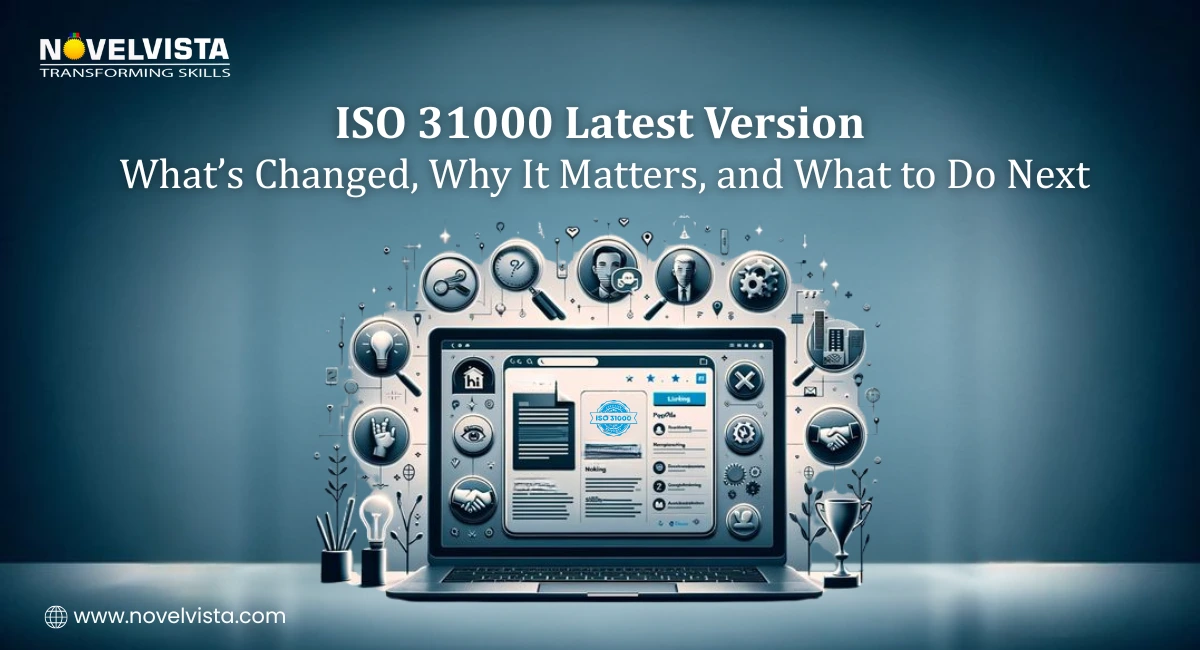
The latest version of ISO 31000 is ISO 31000:2018 — and as of 2026, it's still the current edition. It replaced ISO 31000:2009 and was reviewed and reconfirmed by ISO in 2023, so it remains valid. A revision is now underway (the standard has reached the Committee Draft stage), but no new edition has been published yet — meaning 2018 is the version your organization should be following today.
ISO 31000 is the world's most widely used guideline for risk management. It gives organizations of any size or industry a flexible way to identify, assess, and respond to risk — from cyberattacks and supply-chain disruptions to regulatory and financial uncertainty.
Below, we break down what changed in the 2018 version, how it compares to 2009, what the upcoming revision might mean, and what you should do now.
Picture this: your leadership team asks how the company handles risk — and the honest answer is "it depends who you ask." Different teams track different threats, in different spreadsheets, using different words. That gap is exactly what ISO 31000 was built to close.
ISO 31000 is the international standard that gives everyone one shared way to manage risk — the same principles, framework, and process, top to bottom. But unlike most standards, it won't hand you a rigid checklist of rules to follow. Instead, it gives you adaptable guidance you shape around your own organization, whatever its size or industry.
The goal is simple: help you create and protect value by managing uncertainty — catching threats before they hurt you, and spotting opportunities before your competitors do.
One thing to clear up right away: you can't get your company "certified in ISO 31000." It's a guidance standard, not a certifiable one like ISO 9001 or ISO 27001. What you can do is get certified as an individual — proof that you personally know how to put it to work.
So where does ISO 31000 actually show up day to day? It helps you:
And it covers every type of risk — financial, operational, strategic, compliance, safety, and reputational. Want the thinking underneath it? Here's our breakdown of the 8 principles of ISO 31000.
it's still current, and a new version is in the works. ISO 31000:2018 is the version in force today, and ISO reviewed and reconfirmed it in 2023, so it isn't going stale anytime soon. But a revision is underway, and here's where things stand.
What 2018 actually changed. The 2018 edition wasn't a cosmetic update. ISO made the standard shorter and clearer than the 2009 version, and shifted its whole center of gravity — from something the "risk team" managed in a corner, to something leadership drives and strategy runs on. In plain terms, it moved risk management out of the compliance department and into the boardroom.
That shift was designed to:
What's coming next. ISO 31000 is currently being revised — it has reached the Committee Draft stage, which means the next edition is actively in development. There's no confirmed publication date yet, and because ISO 31000 is a principles-based guideline rather than a certifiable standard, it tends to evolve slowly and carefully.
What this means for you: don't wait. ISO 31000:2018 is the current, valid version — align with it now. If a new edition arrives, it's likely to refine the 2018 approach rather than overturn it, so the work you do today will carry forward.
✅ ISO 31000 in simple- no jargon
✅ Identify, assess & treat risks, step by step
✅ A framework you can use on real projects
Understanding ISO 31000:2018 vs ISO 31000:2009 is essential if your organization still follows the older model.
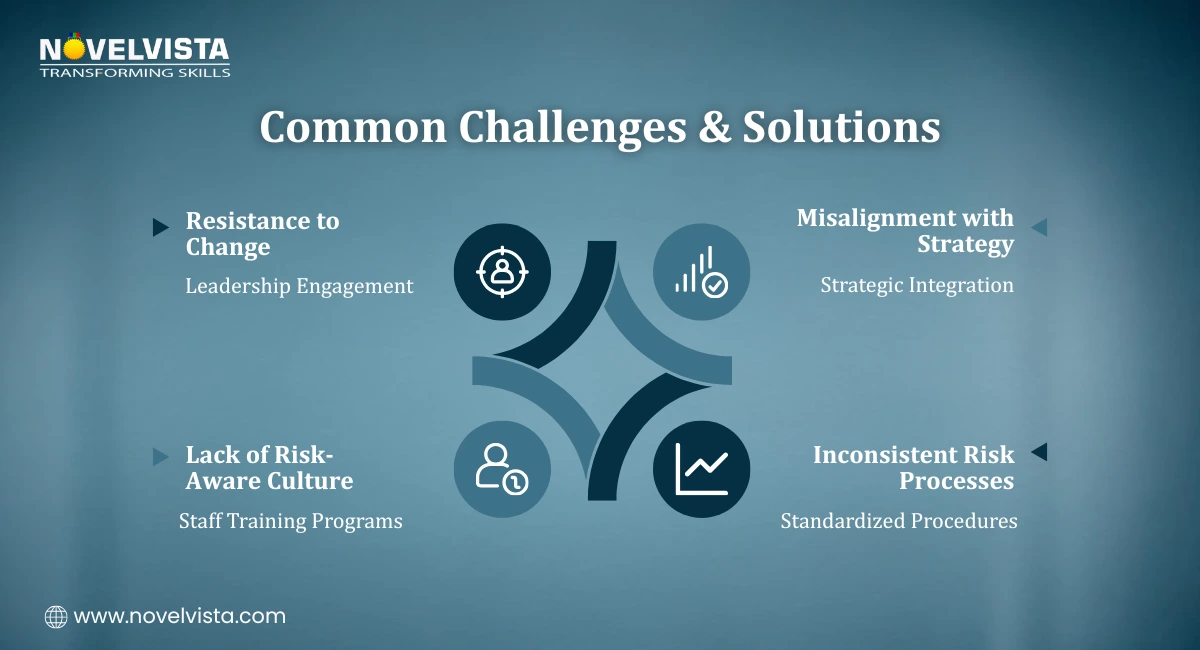
The ISO 31000 clearly assigns ownership of risk management to top management, making leadership directly accountable for how risks are identified and managed. Instead of being handled only by support functions, risk management is now integrated into leadership decisions, strategy setting, and organizational governance. This shift ensures risk thinking influences key business priorities from the top down.
It reduced the principles from 11 to 8 to improve clarity and practical application across organizations. These streamlined principles focus on integration, value creation, and adaptability, making them easier for teams to apply consistently. Despite being fewer, they retain the depth needed for effective and mature risk management.
The latest version of ISO 31000 breaks down silos by embedding risk management directly into governance, strategy, and performance management processes. This integration ensures that risk considerations shape strategic planning, investment decisions, and organizational objectives. As a result, risk management becomes a core part of how strategy is designed and executed.
It redesigned the framework to make risk management easier to understand and implement across all levels of the organization. It emphasizes leadership, integration, design, implementation, evaluation, and continual improvement, creating a logical flow for managing risk. This simplified structure helps organizations embed risk management into everyday operations more effectively.
The ISO 31000 recognizes that risks constantly evolve due to changes in internal operations and external environments. It encourages continuous monitoring, review, and adaptation of risk controls rather than one-time assessments. This dynamic approach helps organizations stay resilient and responsive to emerging risks and opportunities. Also an integrated ESG Risk Framework helps organizations manage sustainability risks with confidence.
The ISO 31000 latest version introduced several meaningful improvements that go beyond structural changes.
Risk management is explicitly linked to creating value not just preventing losses. Organizations are encouraged to consider both threats and opportunities.
The standard now recognizes that bias, behavior, and organizational culture significantly influence risk decisions.
Risk management should be embedded into:
ISO 31000 updates promote learning, feedback, and continuous improvement rather than rigid compliance.
The latest version of ISO 31000 reinforces that risk frameworks must be tailored to organizational context not copied from templates.
Here's the real cost of ignoring it: when risk management isn't aligned to a shared standard, every team ends up managing risk their own way. Finance tracks one set of threats, IT tracks another, operations tracks a third — and no one sees the full picture. That's how big risks slip through the cracks and how leadership gets blindsided by something "nobody saw coming."
Aligning with ISO 31000:2018 fixes that. In practice, it gives you:
There's an external payoff too. To regulators, investors, and partners, alignment with ISO 31000 signals maturity and credibility — it tells them you run a well-governed organization that manages uncertainty on purpose, not by accident.
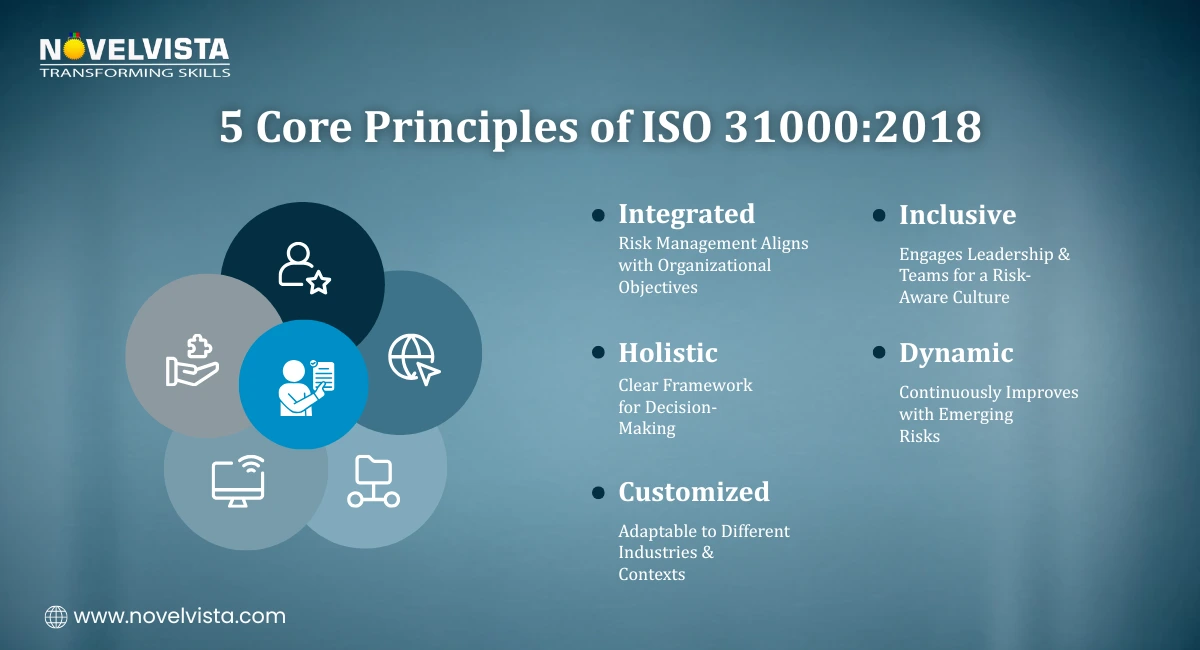 The good news: adopting ISO 31000:2018 doesn't mean starting from scratch. Most organizations already manage risk in some form — this is about making it consistent, leadership-backed, and tied to strategy. Here's a practical path to get there.
Step 1 — Assess what you're already doing. Map how risks are currently spotted, assessed, and tracked across teams. You'll likely find it's happening in pockets, in different tools and spreadsheets — that's your real starting point.
Step 2 — Run a gap analysis. Put your current approach side by side with the ISO 31000 framework and principles. Where are the gaps — no clear ownership? No shared risk language? No link to strategy? This becomes your to-do list.
Step 3 — Get leadership on board. ISO 31000:2018 hinges on top-management ownership, so this step isn't optional. Secure a senior sponsor early — without one, risk management stays stuck as "the compliance team's job."
Step 4 — Build risk capability in your teams. People can't apply a framework they don't understand. Train the teams who'll actually use it on risk thinking and decision-making under uncertainty — this is where formal ISO 31000 training pays off fastest.
Step 5 — Monitor, review, and improve. Risk isn't a one-time project. Build in regular reviews so your approach adapts as your business — and the risk landscape — changes.
Myth: "You can get certified in ISO 31000."
Reality: It's partly true. Organizations cannot be certified to ISO 31000 because it's a guidance standard rather than a certifiable management system standard like ISO 9001 or ISO/IEC 27001. However, individuals can earn professional certifications that validate their knowledge of ISO 31000 principles and how to apply them effectively. So while there is no official "ISO 31000 certified organization," there are ISO 31000-certified risk manager.
Myth: "ISO 31000 is only for large corporations."
Reality: Not true. ISO 31000 is designed for organizations of all sizes—from startups and small businesses to multinational enterprises. Its principles and framework can be scaled to match an organization's size, complexity, and objectives. In fact, smaller organizations often benefit significantly by identifying and managing risks early, helping them avoid costly mistakes and make better business decisions.
Myth: "Risk management is just about avoiding losses."
Reality: Not true. ISO 31000:2018 takes a broader view of risk management. It's not just about preventing losses—it's about understanding uncertainty so you can make better decisions. Effective risk management helps organizations reduce threats, seize opportunities, improve performance, and achieve their objectives with greater confidence.
ISO 31000:2018 reflects a real shift in how risk is handled — away from reactive, tick-the-box control and toward a proactive approach that ties risk directly to strategy and value. It's still the current edition, a revision is on the way, and organizations that align with it now are the ones best placed to handle whatever comes next.
The takeaway is simple: risk management is no longer a background task. Done well, it's a strategic capability — one that helps you make sharper decisions, strengthen governance, and build resilience you can count on.
Ready to strengthen your risk management capability?
NovelVista's ISO 31000 Risk Manager Certification Training takes you beyond theory into practical, decision-focused risk skills you can use straight away. You'll get hands-on with the ISO 31000 principles, framework implementation, and modern risk practices.
It's built for risk managers, auditors, governance professionals, and business leaders who want to lead risk decisions with confidence — and earn a credential that backs it up.
Explore the Certification →
Author Details

Confused About Certification?
Get Free Consultation Call
Stay ahead of the curve by tapping into the latest emerging trends and transforming your subscription into a powerful resource. Maximize every feature, unlock exclusive benefits, and ensure you're always one step ahead in your journey to success.