Category | Quality Management
Last Updated On 06/06/2026
Every IT team believes they have control until the moment everything breaks at once.
A critical system slows down. Tickets start flooding in. Users escalate. Teams scramble. And suddenly, what seemed like a minor issue turns into a full-blown business disruption.
The real problem isn’t the incident itself it’s how it’s handled.
Organizations today don’t struggle because of lack of tools; they struggle because they blur the line between urgency and routine. A password reset gets treated with the same chaos as a system outage, while critical incidents sometimes get buried in a sea of low-priority requests.
This is exactly where Incident and Service Request Management becomes a game-changer not just as a process, but as a discipline that brings clarity, speed, and control to IT operations.
So ask yourself:
If these questions hit close to home, you’re in the right place.
This guide breaks down Incident and Service Request Management Explained not just in theory, but in a way that helps you rethink how modern IT service delivery should actually work.
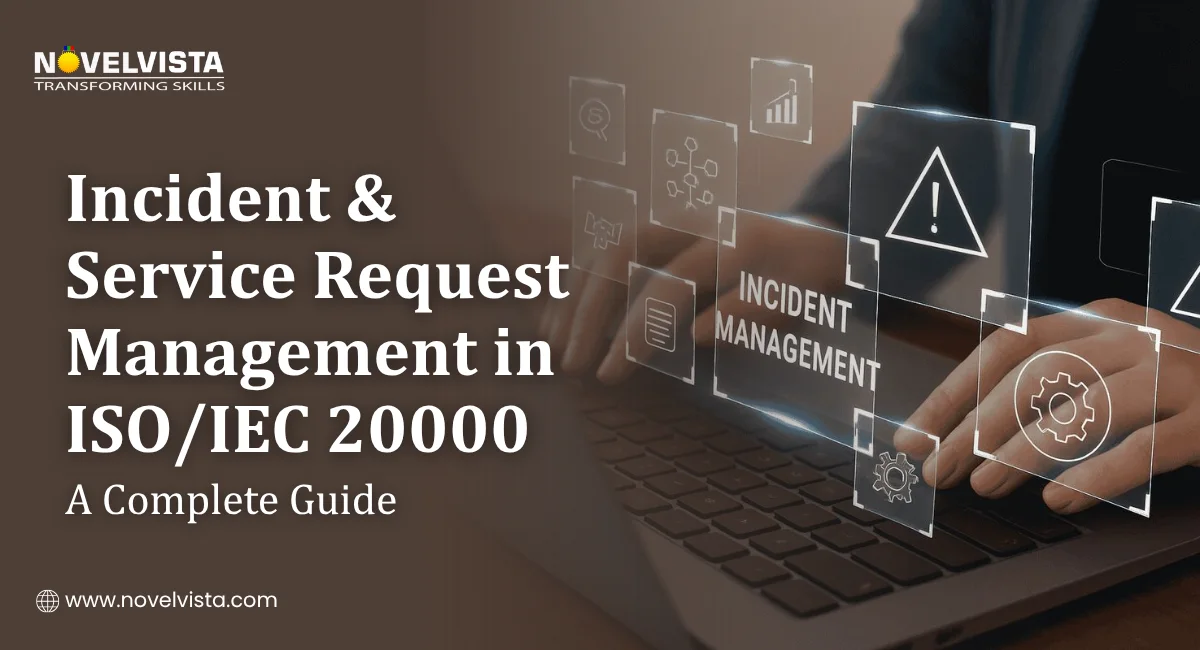
Incident and Service Request Management refers to two core processes in IT Service Management (ITSM) that ensure smooth service delivery and user satisfaction.
Together, these processes form the backbone of IT support operations under ISO/IEC 20000.
The goal?
Restore services fast
Fulfill user needs efficiently
Maintain consistent service quality
Incident Management is all about handling unexpected disruptions in IT services.
An incident is any unplanned interruption or reduction in the quality of an IT service.
Examples:
A well-defined Incident Management process ensures that issues are not just fixed but fixed efficiently and consistently. Strong Leadership Roles in ISO 20000 are critical to ensure accountability, drive service excellence, and successfully align ITSM practices with ISO/IEC 20000.
While incidents are unexpected, Service Request Management deals with planned and routine requests.
A service request is a formal request from a user for something standard.
Examples:
Unlike Incident Management, Service Request Management is proactive and structured.
Understanding Incident vs Service Request is crucial for effective IT operations.
| Aspect | Incident Management | Service Request Management |
| Nature | Unplanned | Planned |
| Goal | Restore service | Fulfill request |
| Urgency | High | Low to Medium |
| Examples | System crash | Password reset |
| Process | Reactive | Proactive |
Clear differentiation improves efficiency in Incident and Service Request Management.
The ISO/IEC 20000 framework provides a structured approach to both processes.
Both Incident and Service Request Management are integrated into the Service Management System (SMS).
This structured approach ensures consistency, accountability, and measurable outcomes.
To optimize Incident and Service Request Management, organizations should adopt these best practices:
Automate repetitive tasks like ticket routing and approvals to improve speed.
Not all incidents are equal use impact and urgency to prioritize.
Keep users informed about status updates and resolution timelines.
Maintain a knowledge base to resolve recurring issues quickly.
Regularly review processes and improve based on performance data.
These practices ensure your Incident Management and Service Request Management processes remain efficient and scalable.
Implementing Incident and Service Request Management under ISO/IEC 20000 offers significant advantages:
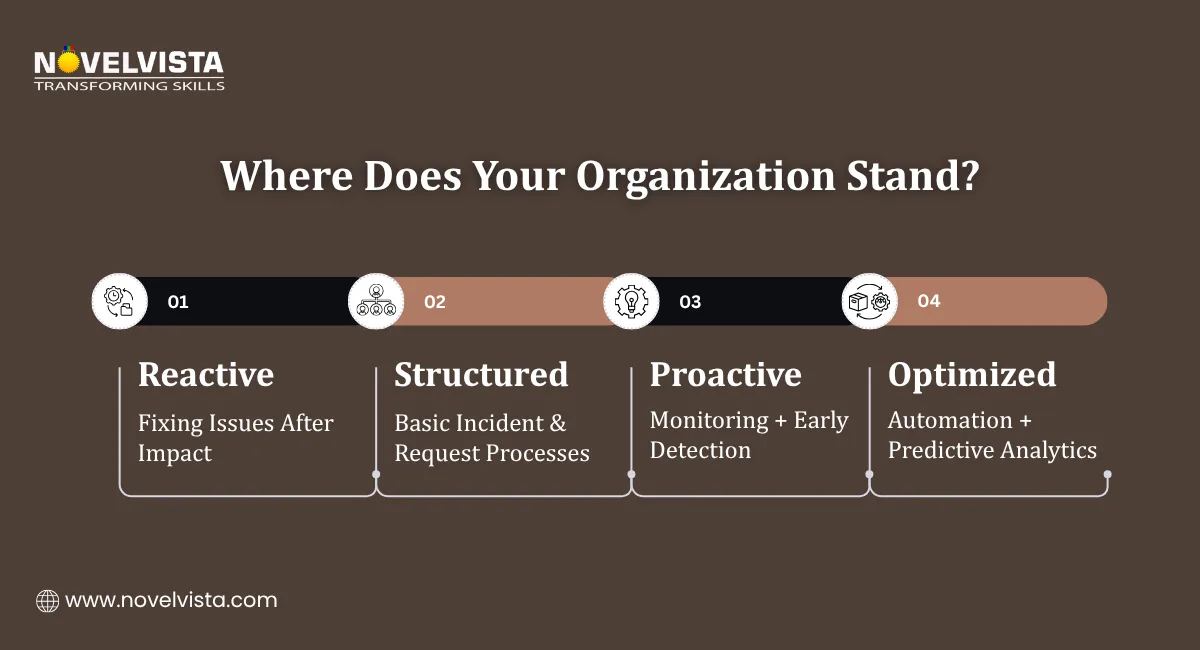
Faster resolution times and better request handling.
Users experience fewer disruptions and quicker support.
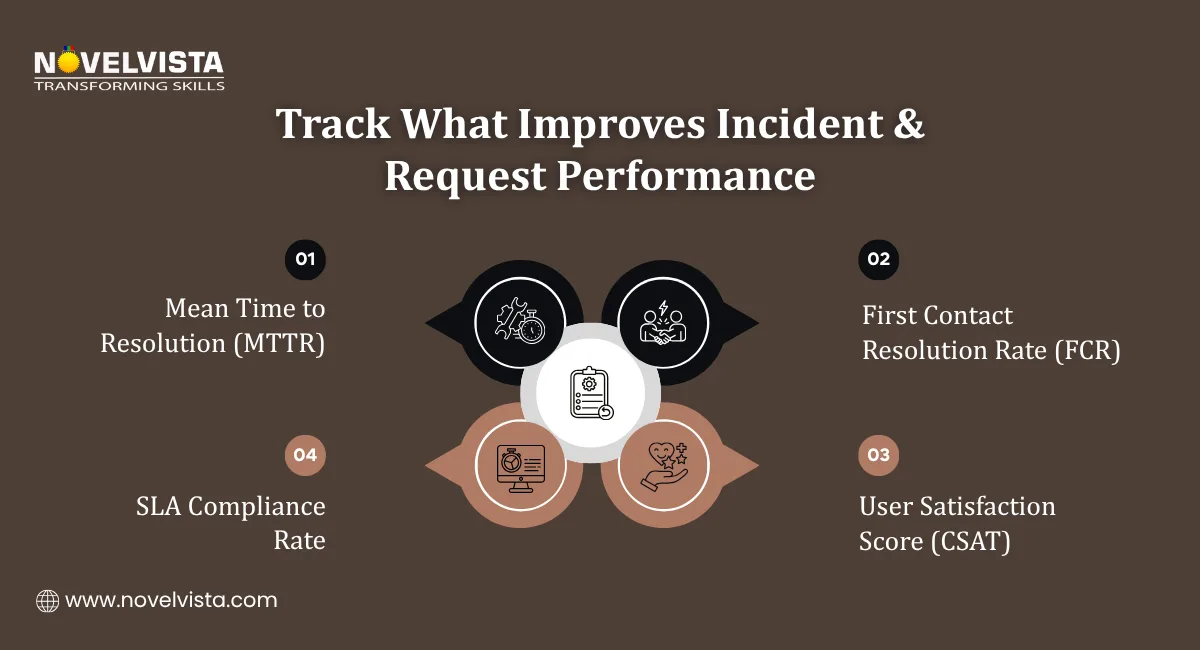
Track incidents and requests with measurable KPIs.
Align with global IT service management standards.
Minimize downtime and ensure smooth operations.
Pro Tip: Before starting your journey, evaluate the ISO 20000 Cost carefully including certification, training, and implementation so you can plan a smoother adoption of ISO/IEC 20000 without unexpected expenses.
At the heart of every high-performing IT organization is not just technology but control.
Control over how quickly disruptions are contained. Control over how efficiently user needs are fulfilled. And most importantly, control over how chaos is prevented from becoming the norm.
Incident and Service Request Management isn’t just about handling tickets it’s about creating a system where urgency is respected, routine is streamlined, and nothing falls through the cracks. When teams truly understand the difference between Incident vs Service Request, they stop firefighting and start operating with intent.
Frameworks like ISO/IEC 20000 don’t just standardize processes they reshape how organizations think about service reliability, accountability, and performance.
Because in the end, the goal isn’t just to fix issues faster.
It’s to build an environment where fewer things break, and when they do, they’re handled with precision not panic.
That’s the shift from reactive IT to resilient IT.

Ready to take your IT service management expertise to the next level?
Join NovelVista’s ISO/IEC 20000:2018 Lead Auditor Certification Training and build hands-on auditing skills, practical service management knowledge, and globally recognized credentials. Designed for IT leaders and ITSM professionals, this course empowers you to confidently assess, improve, and lead Incident and Service Request Management processes in alignment with ISO/IEC 20000. Step into a role where you don’t just manage services you elevate them.
Start your ISO 20000 Lead Auditor journey today!
Author Details

Course Related To This blog
ISO 20000:2018 Lead Auditor
Confused About Certification?
Get Free Consultation Call
Stay ahead of the curve by tapping into the latest emerging trends and transforming your subscription into a powerful resource. Maximize every feature, unlock exclusive benefits, and ensure you're always one step ahead in your journey to success.