Category | Quality Management
Last Updated On 07/04/2026
In IT service management, technical excellence alone is no longer enough. Organizations with the most advanced tools still struggle not because of system limitations, but because of misaligned expectations, unclear communication, and weak supplier coordination.
This is why Relationship Management in ISO 20000 is not just a supporting process it’s a strategic necessity.
It provides a structured way to manage how service providers interact with customers, suppliers, and internal stakeholders ensuring that expectations are defined, performance is monitored, and trust is consistently maintained.
If you’re responsible for delivering or auditing IT services, you’ve probably asked:
In this blog, we simplify the ISO/IEC 20000 Relationship Management Requirements and show you how to apply them in real-world scenarios.
Relationship Management in ISO 20000 refers to the structured approach of managing interactions between the service provider and its stakeholders, including customers and suppliers.
Within the framework of ISO (International Organization for Standardization), this process ensures that:
At its core, ISO 20000 Relationship Management is about building trust and ensuring that all parties involved in service delivery work toward common goals.
Strong relationships are the backbone of successful IT service management. Without them, even the best technical systems can fail.
Here’s why ISO/IEC 20000 Relationship Management Requirements matter:
Ensures IT services are aligned with business goals, reducing the gap between expectations and delivery.
Consistent communication improves user experience and builds long-term trust.
Proactive engagement helps identify potential risks before they escalate.
Feedback loops enable continuous improvement in service delivery.
Clearly, Relationship Management Requirements ISO 20000 are not just compliance checkboxes they are strategic enablers.
The ISO/IEC 20000 Relationship Management Requirements focus on maintaining effective communication and understanding stakeholder needs.
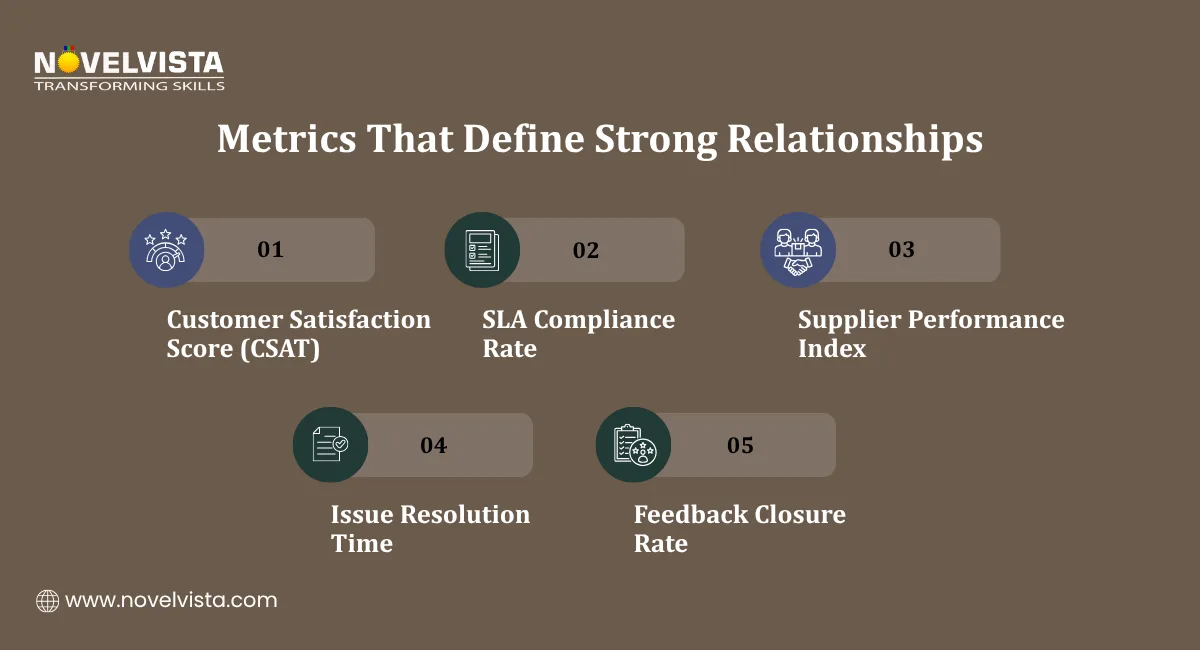
Key expectations include:
Organizations must also ensure:
In short, ISO 20000 Relationship Management ensures that relationships are not handled informally but through structured and measurable processes.
To effectively implement Relationship Management in ISO 20000, organizations must focus on several core components.
This involves:
A critical part of ISO 20000 Supplier Relationship Management, this includes:
Clear communication ensures:
Regular reviews help:
Together, these components form the foundation of effective ISO 20000 Relationship Management.
Suppliers play a crucial role in IT service delivery. Poor vendor management can lead to service disruptions and compliance risks.
ISO 20000 Supplier Relationship Management focuses on:
Choosing suppliers based on capability, reliability, and compliance. Select vendors who not only meet technical requirements but also align with your service goals and compliance standards. A strong vendor selection process in ISO 20000 Supplier Relationship Management ensures long-term reliability and reduced service risks.
Defining clear Service Level Agreements (SLAs) to set expectations. Well-defined contracts and SLAs establish accountability, performance benchmarks, and service scope. In Relationship Management in ISO 20000, clear SLA management helps avoid misunderstandings and ensures both parties are aligned on deliverables.
Regularly reviewing supplier performance against agreed metrics. Continuous performance evaluation helps track whether suppliers are meeting SLA commitments and quality standards. As part of Relationship Management Requirements ISO 20000, this ensures transparency, improvement, and consistent service delivery.
Identifying and mitigating risks associated with third-party dependencies. Effective risk management focuses on proactively identifying vulnerabilities in supplier relationships and minimizing their impact. Within ISO/IEC 20000 Relationship Management Requirements, it plays a critical role in maintaining service continuity and resilience.
By strengthening ISO 20000 Supplier Relationship Management, organizations can ensure consistent service quality and reduce operational risks. ISO/IEC 20000 Certification Interview Questions help you prepare for real-world ITSM scenarios, covering key concepts, audit practices, and service management principles to boost your confidence and success.
Implementing Relationship Management Requirements ISO 20000 effectively requires more than just documentation.
Here are some proven best practices:
Ensure everyone knows their role in managing relationships.
Use formal channels for updates, feedback, and escalations.
Schedule periodic meetings with customers and suppliers.
Keep records of interactions, agreements, and feedback.
Use insights from feedback to enhance services.
Following these practices ensures that Relationship Management in ISO 20000 delivers real value.
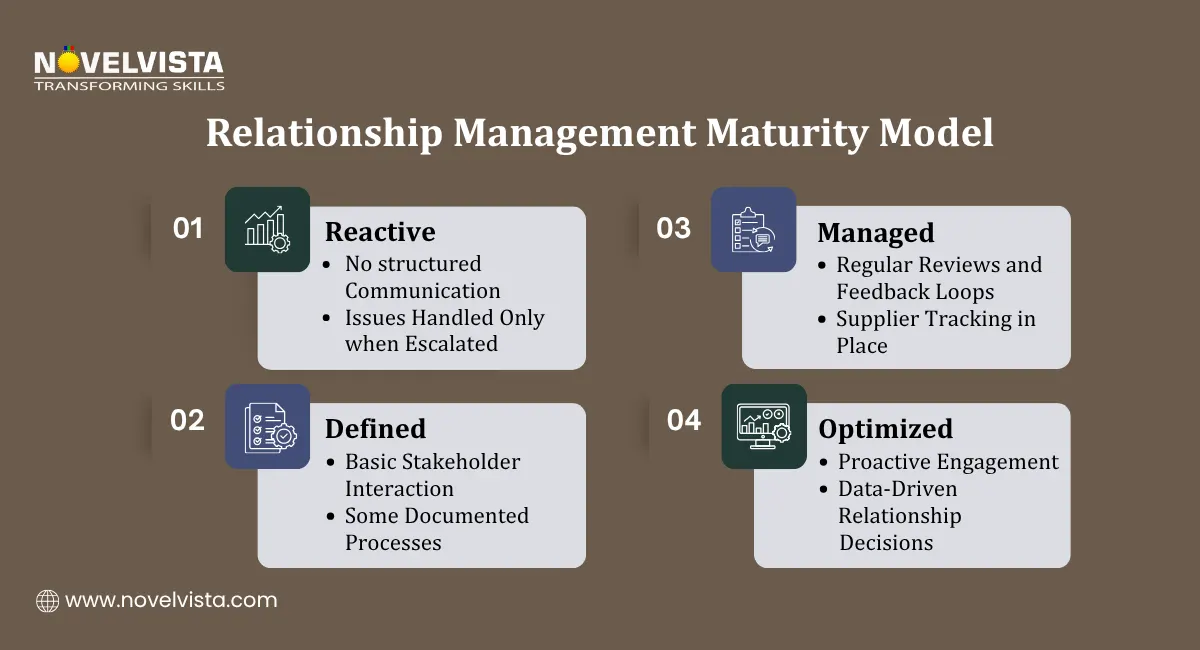
Even with clear guidelines, organizations often face challenges in implementing ISO 20000 Relationship Management.
Solution: Implement standardized communication processes.
Solution: Clearly define SLAs and KPIs.
Solution: Diversify suppliers and conduct regular evaluations.
Solution: Assign ownership for relationship management activities.
Addressing these challenges strengthens compliance with ISO/IEC 20000 Relationship Management Requirements.
When implemented correctly, Relationship Management Requirements ISO 20000 offer significant benefits:
Organizations that invest in ISO 20000 Relationship Management gain a competitive advantage by delivering consistent and reliable services. ISO 20000 Cost: A Complete Pricing Guide helps you understand certification fees, training expenses, and the total investment required to achieve ISO 20000 compliance.
Relationship Management in ISO 20000 is not just a supporting function; it is a strategic capability that ensures every interaction whether with customers or suppliers drives value, clarity, and trust. When done right, it transforms service delivery from a reactive process into a well-orchestrated, outcome-focused system.
By effectively implementing the ISO/IEC 20000 Relationship Management Requirements, organizations gain more than compliance they build stronger alignment with business goals, improve supplier accountability, and create a culture of continuous collaboration.
The real differentiator lies in how well you manage your ecosystem. Strong ISO 20000 Supplier Relationship Management and proactive stakeholder engagement don’t just prevent service gaps they elevate overall service quality and business confidence.
In the end, organizations that master Relationship Management Requirements ISO 20000 don’t just deliver services they build lasting partnerships that drive long-term success.

Ready to take your expertise in Relationship Management in ISO 20000 to the next level?
Join NovelVista’s ISO/IEC 20000:2018 Lead Auditor Certification Training and build the practical skills needed to manage relationships, lead audits, and ensure service excellence with confidence. This program is designed for ITSM professionals and leaders who want real-world insights into the ISO/IEC 20000 Relationship Management Requirements and how to apply them effectively in modern organizations.
Take the next step in your ITSM journey and become a certified ISO 20000 Lead Auditor today!
Author Details

Course Related To This blog
ISO 20000:2018 Lead Auditor
Confused About Certification?
Get Free Consultation Call
Stay ahead of the curve by tapping into the latest emerging trends and transforming your subscription into a powerful resource. Maximize every feature, unlock exclusive benefits, and ensure you're always one step ahead in your journey to success.