Category | Quality Management
Last Updated On 13/04/2026
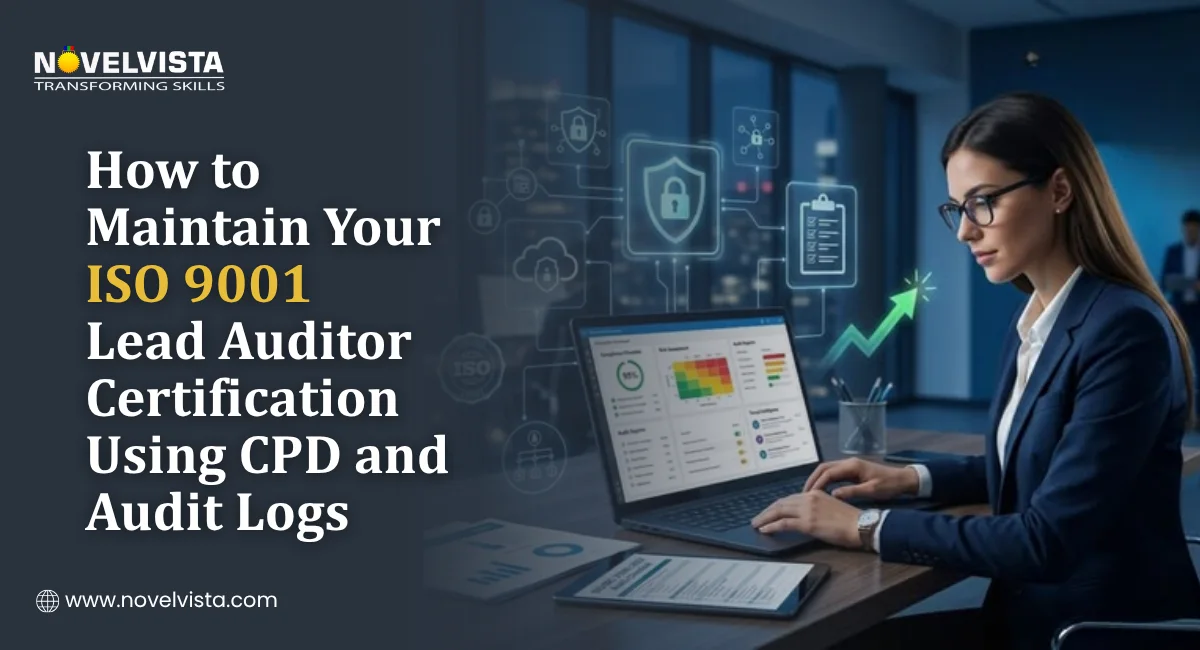
In today’s quality-driven business environment, ISO 9001 auditors are more important than ever. According to industry reports, over 1.2 million organizations worldwide are ISO 9001 certified, which means the demand for skilled lead auditors continues to rise rapidly. But here’s the catch becoming a certified lead auditor is only the beginning. Staying certified is where the real challenge lies.
This is where lead auditor CPD logs play a crucial role. They are not just paperwork they are proof of your continuous professional competence, learning, and ability to stay updated with evolving ISO 9001 standards.
Have you ever wondered:
This guide answers all these questions while helping you understand how to maintain auditor certification effectively. Whether you are an ISO 9001 auditor, aspiring quality professional, or compliance manager, this article will help you navigate CPD tracking, audit documentation, and IRCA expectations with confidence.
At the heart of this system are lead auditor CPD logs, which ensure that your skills remain relevant, verified, and globally recognized.
Continuous Professional Development (CPD) is the structured process of maintaining and improving professional skills. For ISO 9001 auditors, CPD ensures that knowledge of quality management systems remains current and applicable.
In practice, lead auditor CPD logs are used to document every training session, audit assignment, workshop, and learning activity related to ISO 9001 standards.
These logs typically include:
Why this matters:
Every lead auditor in 2026 must demonstrate their ability to audit Clauses 4.1 and 4.2 with respect to climate change risks. Not documenting this understanding can create a significant gap in your CPD record and impact recertification readiness.
Without properly maintained lead auditor CPD logs, auditors risk falling behind on industry expectations and may struggle during certification renewal processes.
CPD is not optional it is a core requirement for maintaining auditor certification in most global frameworks.
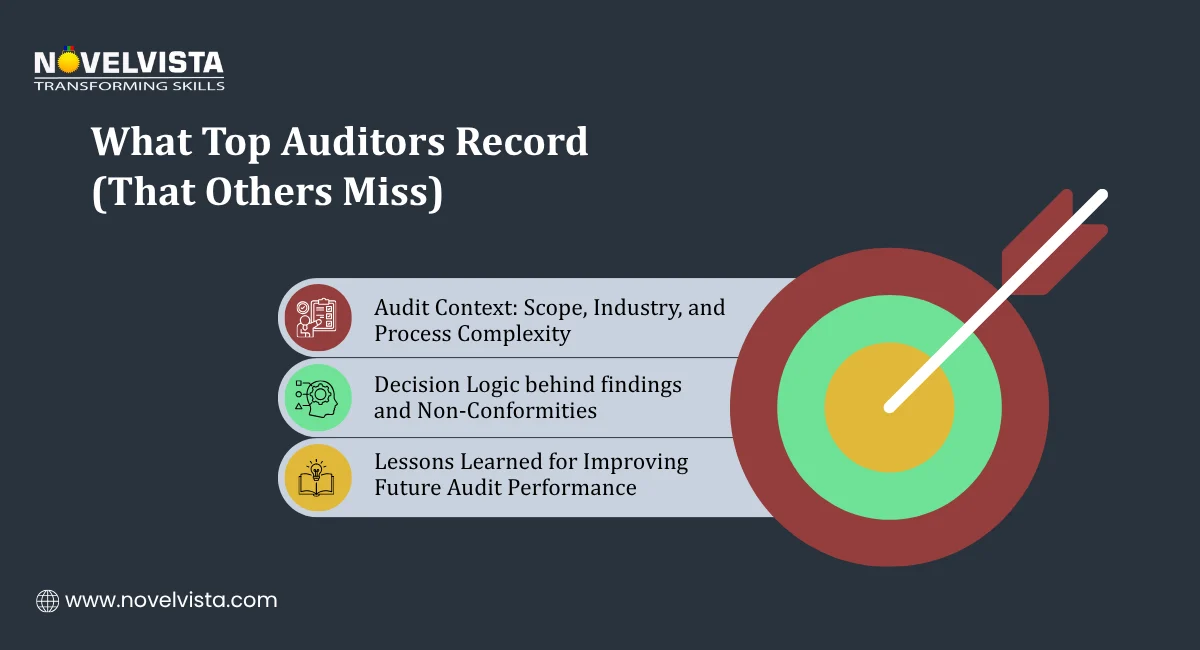
Maintaining your certification is not just about compliance—it’s about credibility.
Organizations rely heavily on certified auditors to ensure their ISO 9001 systems are effective. If your certification lapses, your professional trustworthiness can be questioned.
This is why lead auditor CPD logs are essential. They act as documented evidence that you are continuously updating your skills and knowledge.
Here are key reasons why maintaining certification matters:
Additionally, most certification bodies expect auditors to complete a minimum of 45 hours of CPD over a three-year recertification cycle. This benchmark helps validate your ongoing competence and commitment to professional development.
In fact, many certification bodies explicitly review lead auditor CPD logs before approving renewal applications. Without them, even experienced auditors may face delays or rejection.
Keeping your CPD records organized is essential for smooth certification maintenance.
To properly maintain lead auditor CPD logs, follow these steps:
Every ISO 9001 audit you participate in should be logged, including role, duration, and scope.
Workshops, webinars, and refresher courses all count toward CPD credits.
Whenever ISO standards are revised, document your learning and interpretation activities.
Using spreadsheets or CPD tracking tools makes it easier to manage lead auditor CPD logs efficiently.
Set quarterly reviews to ensure no activity is missed or misrecorded.
A well-maintained CPD system not only supports compliance but also strengthens your professional portfolio. In fact, auditors who actively manage lead auditor CPD logs are often preferred during consultancy and senior audit assignments. Internal Auditor vs Lead Auditor: Understand the key differences in roles, responsibilities, and career growth in quality management.
Streamline your audit process
Apply proven audit best practices
Improve accuracy and compliance
An audit logbook is your professional diary as a lead auditor. It complements your CPD records and provides detailed evidence of your field experience.
To improve effectiveness:
Many professionals combine audit logbooks with lead auditor CPD logs to create a unified record of professional development.
Digital logbooks are increasingly popular because they reduce errors and improve accessibility. However, the key is consistency, not format.
CPD Requirement Tip: Balance Your Learning
To maintain a strong and compliant CPD profile, your activities should include a mix of:
A balanced combination of both ensures your lead auditor CPD logs reflect not just compliance—but well-rounded professional growth.
IRCA recertification is a critical milestone for ISO 9001 lead auditors. It ensures that auditors continue meeting global competency standards.
To successfully achieve IRCA recertification, auditors must demonstrate sufficient CPD evidence.
This is where lead auditor CPD logs become extremely important.
They help demonstrate:
Without properly maintained lead auditor CPD logs, IRCA recertification applications may lack sufficient supporting evidence, leading to delays or rejections.
Think of CPD logs as your professional passport they validate your journey as a competent auditor. ISO 9001 Cross-Cultural Auditing focuses on adapting audit approaches to diverse cultural contexts while ensuring consistent quality standards across global organizations.
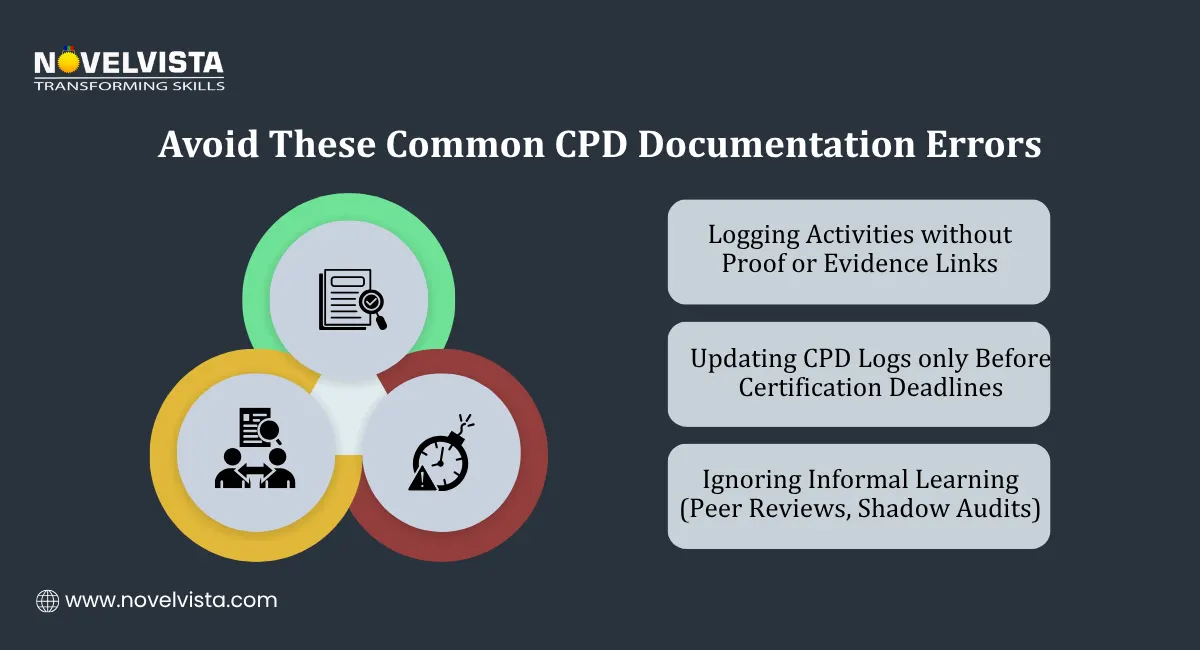
Even experienced professionals make mistakes when managing their CPD records.
Here are the most common ones:
Missing audit hours or training details can weaken your CPD record.
Failing to update lead auditor CPD logs regularly leads to inaccurate reporting.
Not recording standard revisions is a major gap in professional development tracking.
Disorganized logs make it difficult to present evidence during audits or recertification.
Avoiding these mistakes ensures your certification journey remains smooth and stress-free.
Maintaining your ISO 9001 Lead Auditor status requires more than experience it requires discipline, documentation, and continuous learning.
By properly managing lead auditor CPD logs, you ensure that your skills remain relevant, your certification stays valid, and your career continues to grow.
Whether you are preparing for IRCA recertification or simply aiming to maintain auditor certification, your CPD records are your strongest professional asset.
In the end, consistent professional development is not just a requirement it is a commitment to excellence in quality management.
Ready to strengthen your expertise as an ISO 9001 Lead Auditor?
Join NovelVista’s ISO 9001 Lead Auditor Certification Training and gain hands-on auditing skills, practical insights into quality management systems, and globally recognized credentials. Designed for quality professionals and aspiring auditors, this course equips you to confidently lead audits, manage compliance, and drive continuous improvement across organizations.
Start your ISO 9001 auditor journey today!

Author Details

Course Related To This blog
ISO 9001:2015 Lead Auditor Training and Certification
Confused About Certification?
Get Free Consultation Call
Stay ahead of the curve by tapping into the latest emerging trends and transforming your subscription into a powerful resource. Maximize every feature, unlock exclusive benefits, and ensure you're always one step ahead in your journey to success.