Category | Quality Management
Last Updated On 06/06/2026
A single supplier mistake can trigger a ripple effect delayed deliveries, product recalls, compliance failures, and ultimately, lost customer trust. In fact, studies show that a significant percentage of quality failures don’t originate inside the organization at all they come from the supply chain.
Now ask yourself:
Do you really have visibility into how your suppliers operate?
Can you confidently say your external providers meet your quality standards every time?
If there’s even a slight hesitation, you’re not alone.
As organizations increasingly rely on outsourced processes, vendors, and contractors, maintaining consistent quality has become more complex than ever. This is exactly where ISO 9001: Auditing Clause 8.4 for Supplier Quality Management and External Control steps in not just as a compliance requirement, but as a strategic framework to protect your quality, reputation, and operational continuity.
Whether you're a quality manager, internal auditor, procurement specialist, or compliance professional, understanding how to audit supplier performance and enforce effective external provider control is no longer optional; it’s essential.
Let’s break it down.
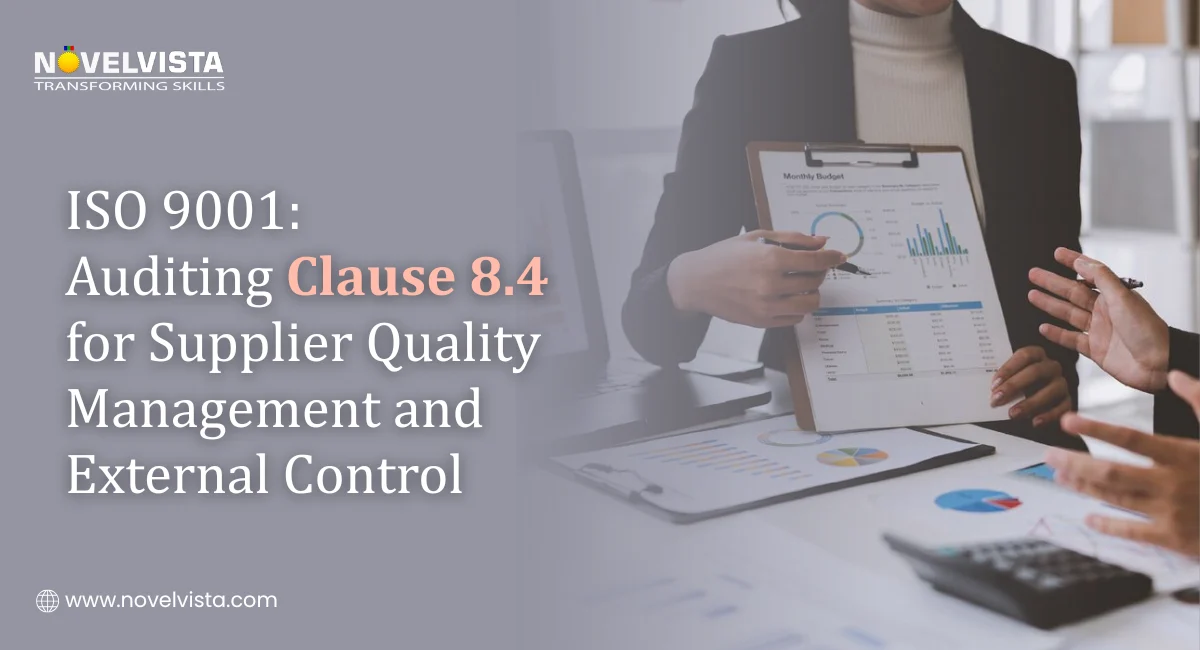
ISO 9001: Auditing Clause 8.4 for Supplier Quality Management and External Control focuses on ensuring that externally provided processes, products, and services meet specified requirements.
In simple terms, it ensures that:
This clause is essential because organizations today rely heavily on outsourced services, vendors, and contractors.
Without proper external provider control, even minor supplier issues can escalate into:
Supplier quality management is the process of evaluating, monitoring, and improving supplier performance to ensure consistent delivery of quality products or services.
Within ISO 9001: Auditing Clause 8.4 for Supplier Quality Management and External Control, supplier quality management plays a central role.
A strong supplier quality management system ensures:
Organizations that invest in supplier quality management often see measurable improvements in operational efficiency and customer satisfaction.
In ISO 9001 terminology, external providers include:
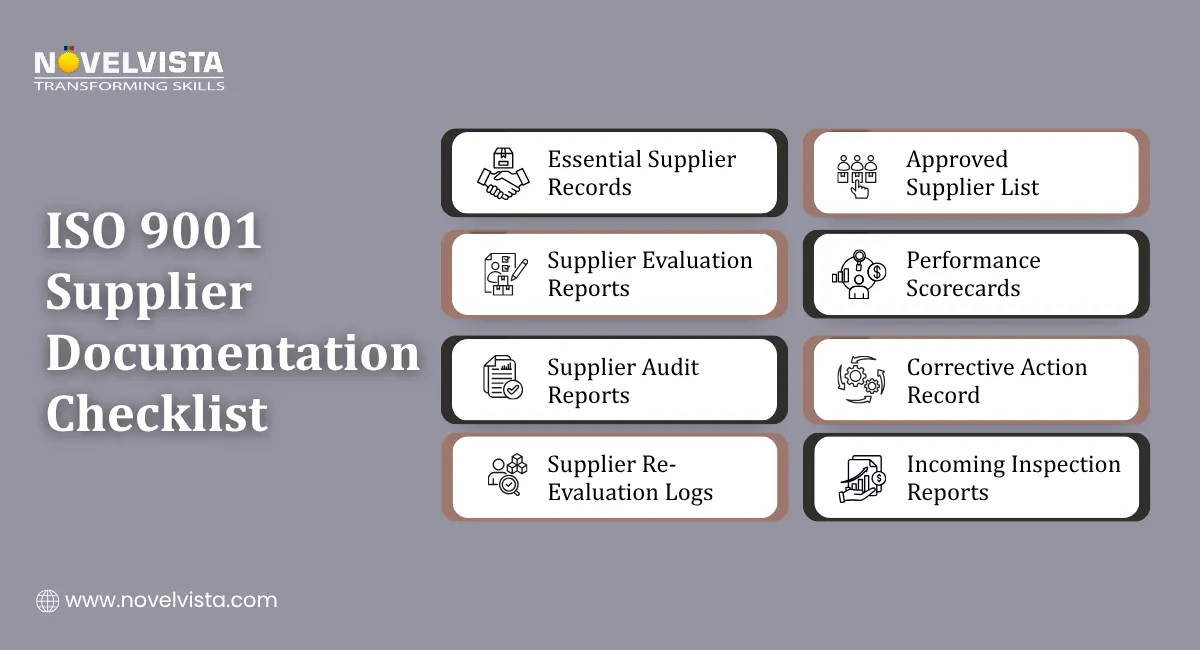
External provider control ensures that these entities meet your organization’s quality requirements.
For example:
Effective external provider control ensures alignment between your organization’s quality goals and supplier performance.
Auditing ISO 9001: Auditing Clause 8.4 for Supplier Quality Management and External Control requires a structured approach.
A well-executed audit ensures your supply chain QMS remains robust and compliant. Master Auditing Clause 4 to effectively evaluate organizational context and ensure your QMS aligns with business objectives and stakeholder expectations.
A contractor audit is a key part of ISO 9001: Auditing Clause 8.4 for Supplier Quality Management and External Control.
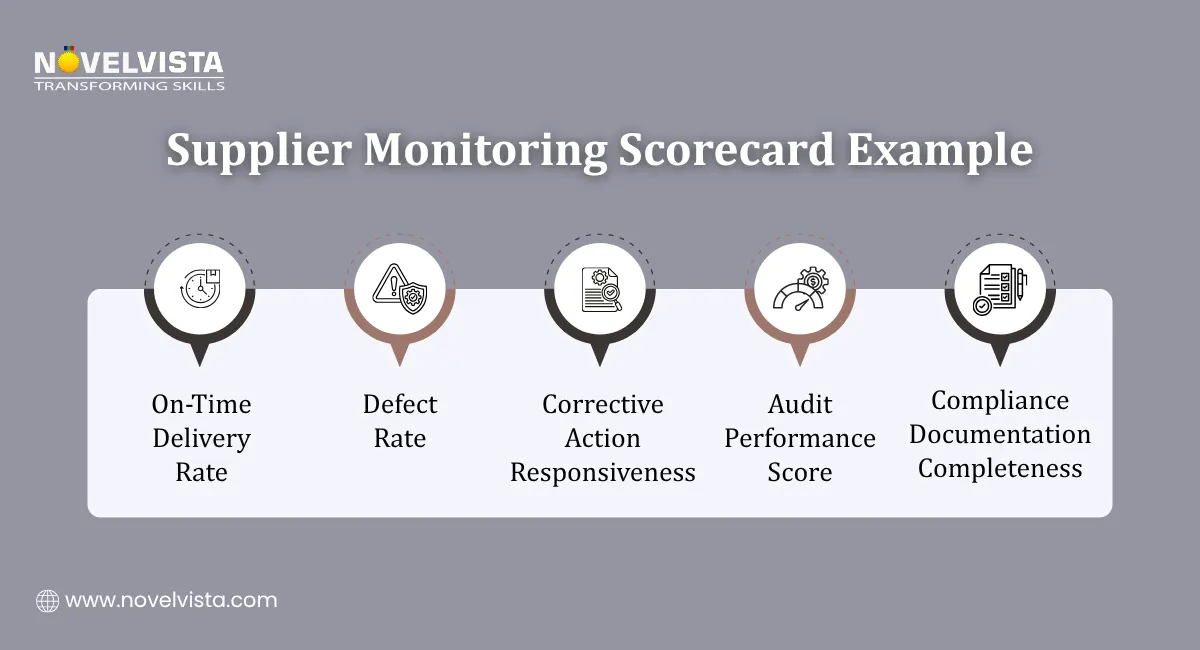
Contractors often handle critical processes, making their evaluation essential.
A strong supply chain QMS integrates supplier and contractor performance into overall quality management.
Despite its importance, organizations often struggle with ISO 9001: Auditing Clause 8.4 for Supplier Quality Management and External Control.
Many organizations lack real-time insights into supplier operations.
Incomplete records make audits difficult and unreliable.
Different suppliers may follow different standards.
Failure to prioritize critical suppliers leads to inefficiencies.
Addressing these challenges is essential for effective supplier quality management. Avoid common ISO 9001 Audit Mistakes by ensuring proper documentation, clear process ownership, and consistent compliance with QMS requirements.
To master ISO 9001: Auditing Clause 8.4 for Supplier Quality Management and External Control, organizations should adopt best practices.
Use consistent criteria for all suppliers.
Prioritize high-impact suppliers.
Clearly define requirements for external providers.
Use KPIs and dashboards.
Encourage supplier development programs.
These practices enhance both supplier quality management and overall supply chain QMS performance.
In today’s interconnected business landscape, where supply chains directly impact performance and reputation, ISO 9001: Auditing Clause 8.4 for Supplier Quality Management and External Control goes far beyond a compliance checkbox it becomes a strategic enabler of quality and resilience.
By strengthening supplier quality management, enhancing external provider control, and conducting robust contractor audits, organizations don’t just mitigate risks they build predictable, high-performing supply ecosystems.
This leads to:
Ultimately, a well-implemented supply chain QMS isn’t just about meeting standards, it’s about creating trust, ensuring continuity, and driving long-term business success in an increasingly complex global market.
Ready to strengthen your expertise in quality management and auditing?
Join NovelVista’s ISO 9001 Lead Auditor Certification Training and gain hands-on auditing skills, practical insights into supplier quality management, and globally recognized credentials. Designed for quality professionals, auditors, and business leaders, this course equips you to confidently audit supply chains, ensure compliance with ISO 9001 standards, and drive continuous improvement across your organization.
Start your ISO 9001 auditor journey today!
Author Details

Course Related To This blog
ISO 9001:2015 Lead Auditor Training and Certification
Confused About Certification?
Get Free Consultation Call
Stay ahead of the curve by tapping into the latest emerging trends and transforming your subscription into a powerful resource. Maximize every feature, unlock exclusive benefits, and ensure you're always one step ahead in your journey to success.