Category | Quality Management
Last Updated On 13/01/2026
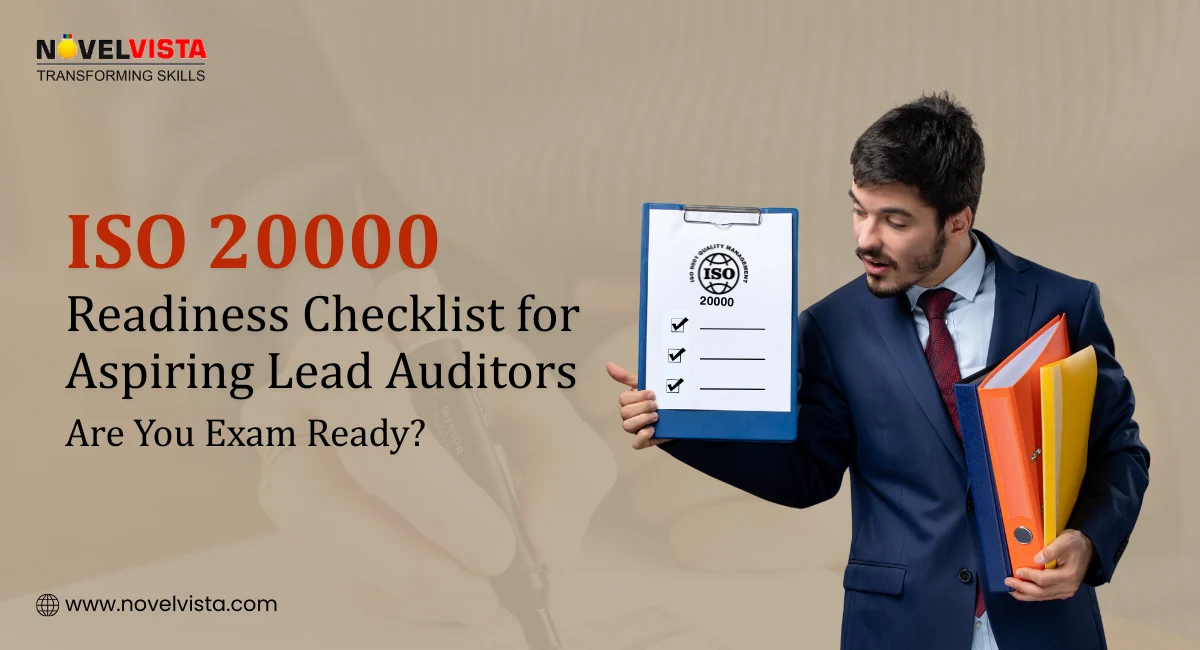
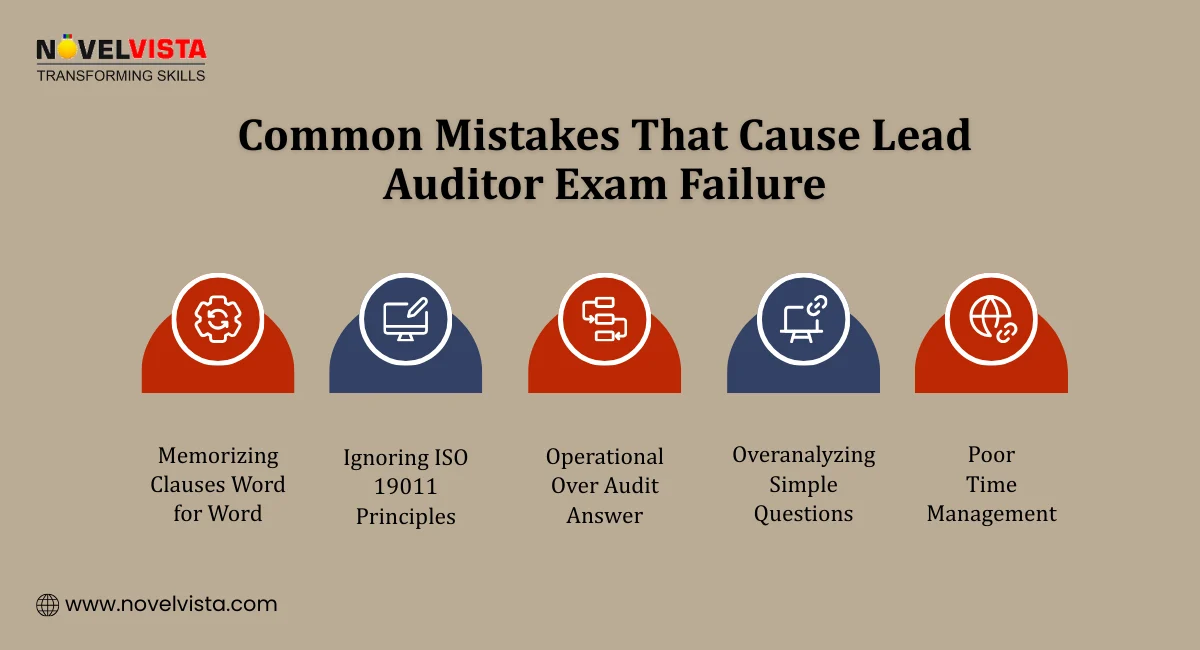
You’ve studied the standard. You know the clauses. You’ve even taken notes and practiced MCQs. Yet when Lead Auditor exam questions turn scenario-based, many professionals freeze. That gap isn’t about effort; it’s about ISO 20000 readiness.
In Lead Auditor exam preparation workshops, a common pattern appears: candidates score well on clause-based questions but struggle when scenarios require judgment. This reflects a readiness gap that only audit-style practice can close, not additional reading.
For Lead Auditors, ISO 20000 readiness means more than recalling requirements. It’s the ability to think like an auditor, apply judgment, evaluate evidence, and make defensible audit decisions under exam pressure. This checklist is designed specifically to help you judge whether you’re ready for the Lead Auditor exam and role, not just the syllabus.
From a Lead Auditor’s perspective, ISO/IEC 20000 readiness is the ability to assess a Service Management System (SMS) objectively and confidently, exactly what the exam tests.
Being ready means you can:
Understand SMS requirements beyond clause wording
Apply the PDCA cycle while reviewing services and controls
Evaluate real-world ITSM practices, not ideal textbook ones
Lead Auditors are expected to balance knowledge with judgment. This is why ISO 20000 readiness is best described as a mix of:
Knowledge – knowing what the standard requires
Experience – understanding how services actually run
Audit judgment – deciding whether evidence is sufficient, weak, or missing
Without this balance, exams become stressful, and audits feel uncertain.
Strong ISO 20000 compliance assessment starts with solid knowledge, but only the right kind.
You should clearly understand:
SMS scope, governance, and leadership responsibilities
Service planning, design, transition, delivery, and improvement
Control intent, not just control wording
Exams rarely ask for definitions alone. They test whether you can apply these requirements in audit scenarios.
Lead Auditor exams often assume familiarity with ITSM principles such as:
Service value and outcomes
Risk-based thinking
Continual improvement
This alignment helps you judge whether SMS controls support real service delivery, strengthening ISO 20000 compliance decisions.
You should be able to see PDCA across:
Planning decisions
Operational controls
Monitoring and measurement
Corrective actions
This thinking directly supports ISO 20000 readiness during scenario-based questions. Also, candidates who consistently perform well in Lead Auditor exams usually practice mapping ISO/IEC 20000 requirements to real service scenarios. This habit strengthens interpretation skills and improves confidence under scenario-based questioning.
Lead Auditor exams heavily test audit behavior, not just SMS knowledge. This is where many candidates struggle.
You should be comfortable with:
Audit planning and scope definition
Audit criteria vs audit evidence
Audit risk and materiality
Objectivity, independence, and professional judgment
ISO 19011 concepts guide how you:
Plan audits
Conduct interviews
Evaluate evidence
Report findings
Understanding this is essential for ISO/IEC 20000 readiness because exams expect you to behave like a Lead Auditor, not a student.
Stop losing marks on tricky judgment-based questions. Learn how to spot exam traps, apply auditor thinking, and choose the right answers with confidence, without memorizing clauses.
Exams assume a certain level of professional maturity, even if it’s simulated.
Typical benchmarks include:
ISO 20000 Foundation certification for SMS fundamentals
Internal Auditor certification for audit techniques
2–5 years of ITSM experience across service processes
200–300 audit hours (internal, supplier, or certification-style)
You should also clearly differentiate:
First-party audits (internal audits)
Second-party audits (supplier or customer audits)
Third-party audits (certification audits)
This clarity strengthens ISO 20000 readiness and prevents confusion during exam scenarios. In exam-oriented audit simulations, candidates with prior exposure to internal or supplier audits adapt faster to complex scenarios. Even limited audit participation improves confidence when evaluating evidence under time pressure.
A professional ISO 20000 readiness assessment is not about checking documents. It’s about judging whether an SMS can withstand audit scrutiny.
As a Lead Auditor candidate, ask yourself:
You should be able to review:
Policies and procedures
Service records and reports
Performance metrics and reviews
And decide whether they truly meet ISO 20000 intent.
Strong candidates can explain:
Why is the evidence sufficient or insufficient?
Why is a finding major or minor?
How does risk influence audit conclusions?
This ability defines a true ISO 20000 readiness assessment mindset and is critical for exam success.
Knowing theory is not enough for the Lead Auditor exam. What really builds ISO 20000 readiness is practice that mirrors real audits. This is exactly what scenario-based exam questions are designed to test.
Lead Auditor candidates should practice both stages clearly:
Stage 1: Reviewing documented information, scope definition, and readiness gaps
Stage 2: Evaluating implementation, effectiveness, and evidence in real service scenarios
Mock audits train you to think structurally, just like in the exam.
You should be comfortable with:
Creating audit plans and audit programs
Identifying audit criteria and audit scope
Collecting documentary and physical evidence
Linking evidence directly to ISO 20000 clauses
This level of preparation strengthens your ISO/IEC 20000 readiness significantly.
Strong Lead Auditor candidates regularly practice:
Interviewing service owners and process managers
Maintaining working papers
Applying materiality judgment
Using risk-based sampling
These skills are frequently tested indirectly in exam scenarios.
Exams expect you to know how to:
Write clear findings
Decide between major and minor nonconformities
Draft audit conclusions and certification recommendations
Exams favor transparency in judgment. Candidates who acknowledge limitations in evidence and choose the most defensible auditor action often score higher than those who assume perfect conditions.
Want clarity on what to study and how to prepare? Explore our blog on the ISO 20000 Lead Auditor exam syllabus and preparation to understand key topics, focus areas, and exam expectations.
So how do you know if you’re actually ready? The signs of ISO 20000 readiness show up clearly during mock exams and practice scenarios.
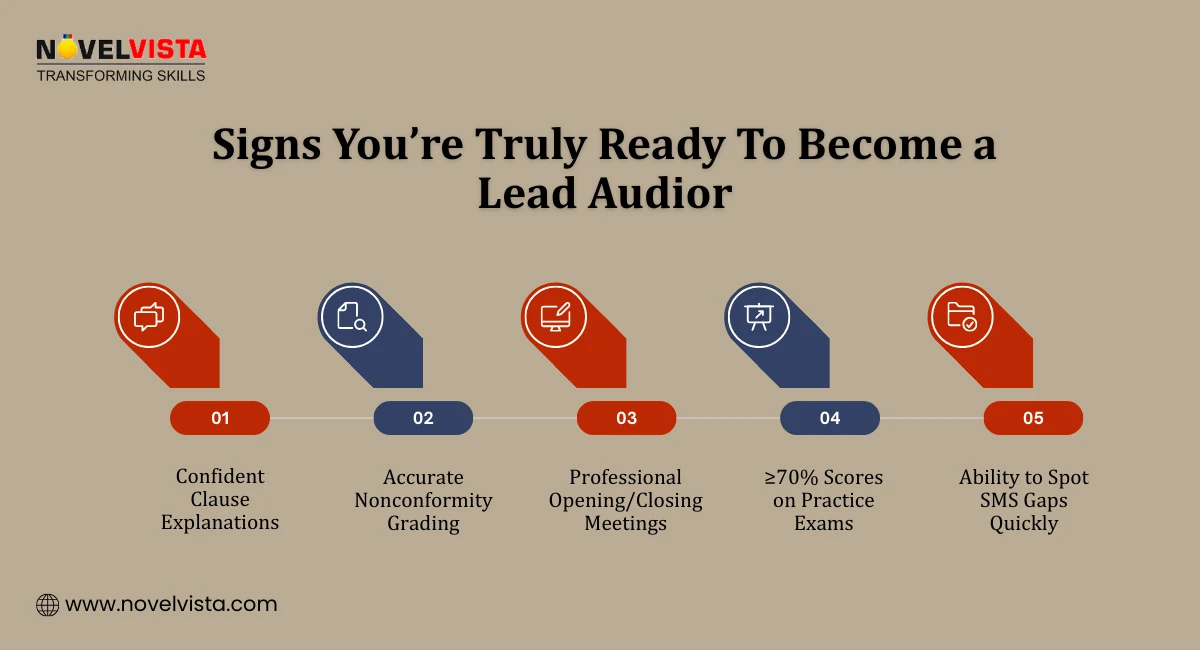 You are likely exam-ready if you can:
Explain SMS audit principles confidently: You can clearly explain PDCA, audit ethics, auditor roles, and leadership responsibilities without hesitation. This is one of the clearest signs of ISO 20000 readiness.
Identify major vs minor nonconformities accurately: You can justify your classification based on evidence, risk, and impact, not gut feeling. This skill alone improves exam scores dramatically.
Lead opening and closing meetings professionally: You know what to say, how to say it, and what tone to use. Many exam questions test this indirectly.
Score consistently above 70% in practice exams: Strong performance across scenario-based questions is another reliable indicator and one of the measurable signs of ISO 20000 readiness.
Spot real SMS gaps in service delivery scenarios: You can identify weaknesses in incident management, change control, SLAs, or governance when presented with real-life cases. This is often the final sign of the ISO 20000 readiness checkpoint.
A structured path makes preparation easier and far less stressful.
Most successful candidates follow this progression:
Complete a 24-hour ISO 20000 Lead Auditor training program
Build an audit portfolio with 300+ audit hours
Document ITSM and SMS improvement projects
Prepare specifically for exams covering:
Audit program management
ISO/IEC 20000-1:2018 requirements
Scenario-based judgment questions
The key shift is moving away from memorization and toward decision-making. This mindset is essential for ISO 20000 readiness at the Lead Auditor level.
Once professionals achieve strong ISO 20000 readiness, career impact becomes very visible.
Common roles include:
IT Service Manager
ITSM Consultant
ISO 20000 Internal Auditor
ISO 20000 Lead Auditor
Professionals with proven readiness can:
Perform confidently in certification and surveillance audits
Support organizations during external assessments
Lead audit teams and client discussions
Demonstrate real ISO 20000 compliance capability, not just certification
Strong readiness directly translates into audit credibility and long-term career trust.
Want to understand the real value of ISO 20000? Explore our report on ISO 20000 benefits to see how it improves service quality, governance, and business confidence.
For Lead Auditors, ISO 20000 readiness is built through practice, not theory alone. When you combine knowledge, mock audits, evidence evaluation, and disciplined exam preparation, confidence replaces doubt.
Lead Auditor exams are designed to simulate professional responsibility. Success depends on demonstrating control, reasoning, and ethical judgment, exactly the qualities expected from auditors leading real ISO 20000 assessments.
Use this checklist to validate your preparation honestly. Strengthen weak areas, practice judgment-based scenarios, and refine your audit thinking. That’s how ISO/IEC 20000 readiness turns into consistent exam success and real audit capability.
If you want to move from exam preparation to confident audit performance, NovelVista’s ISO 20000 Lead Auditor Certification Training is designed exactly for that transition. The course focuses on real audit scenarios, nonconformity handling, evidence evaluation, and audit leadership, not just theory. It helps you convert ISO 20000 readiness into strong exam results and long-term professional credibility.
Author Details

Course Related To This blog
ISO 20000:2018 Lead Auditor
Confused About Certification?
Get Free Consultation Call
Stay ahead of the curve by tapping into the latest emerging trends and transforming your subscription into a powerful resource. Maximize every feature, unlock exclusive benefits, and ensure you're always one step ahead in your journey to success.