Category | Quality Management
Last Updated On 19/01/2026
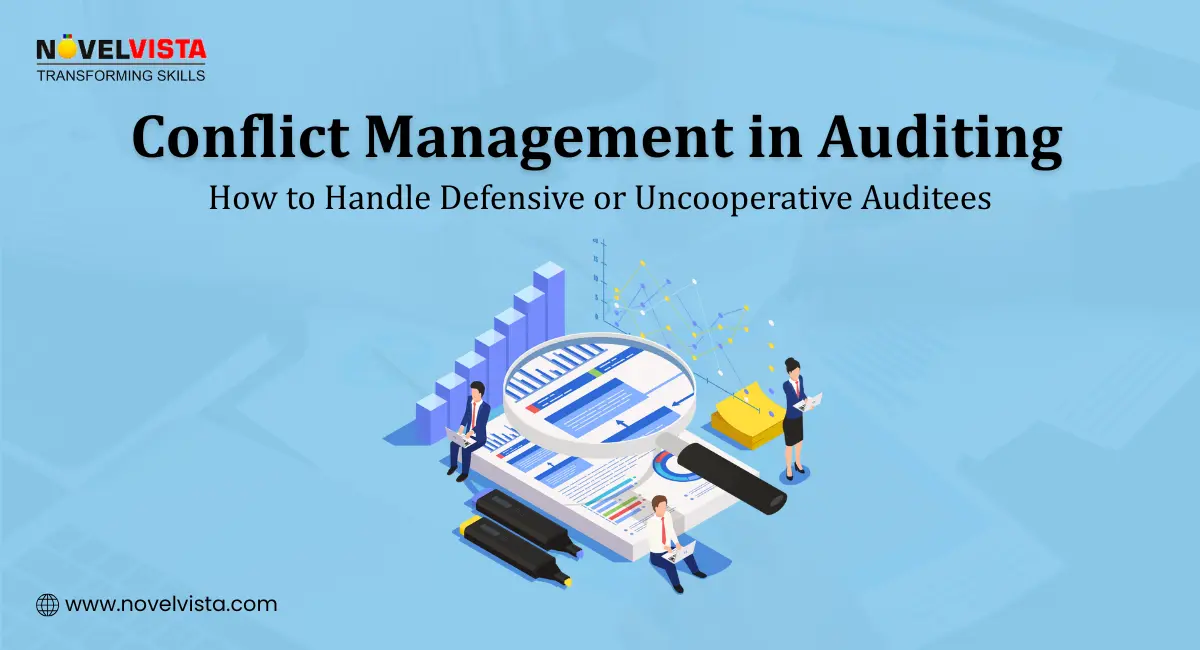
Audit rooms don’t get tense because of checklists. They get tense because findings feel personal. That’s why auditor conflict resolution is one of the most important skills an auditor can develop. Not as a soft add-on, but as a core audit capability.
In lead auditor training workshops, conflict scenarios appear far more often than technical failures. Most audit escalations begin with communication gaps, not incorrect findings.
When evidence challenges processes or decisions, resistance is natural. This guide explains how auditors handle difficult auditees using objectivity, evidence, and clear audit communication, fully aligned with ISO 19011 guidance. You’ll learn why conflict happens, how to recognize it early, and how professional auditors prevent it from escalating.
Audits are meant to be neutral, but they rarely feel neutral to the auditee. Findings can affect performance reviews, certifications, customer trust, or even jobs. That pressure often shows up as defensiveness or resistance.
This is why auditor conflict resolution matters. Auditors are not just assessing systems; they are interacting with people who may feel exposed or judged.
Common reasons conflict appears during audits include:
Conflict doesn’t mean hostility. Most of the time, it signals concern. Across certification and internal audit simulations, resistance usually surfaces when auditees feel findings reflect personal performance rather than system effectiveness. Auditors trained to separate people from processes handle these moments more smoothly.
Professional auditors rely on a few core principles to stay grounded when situations get tense. These principles are reinforced throughout ISO 19011.
Audits must always be based on facts, not opinions.
Objectivity protects both the auditor and the auditee. It is the foundation of effective auditor conflict resolution.
Evidence removes emotion from the conversation.
This approach reduces emotional pushback and keeps conversations professional, even with difficult auditees.
Technical knowledge alone is not enough. ISO 19011 soft skills play a major role when tension rises.
These include:
Lead Auditors rely heavily on ISO 19011 soft skills to manage sensitive situations without compromising audit integrity. ISO 19011 highlights fair presentation, due professional care, and evidence-based judgment as essential auditor behaviors. These principles directly support consistent and defensible conflict handling during audits.
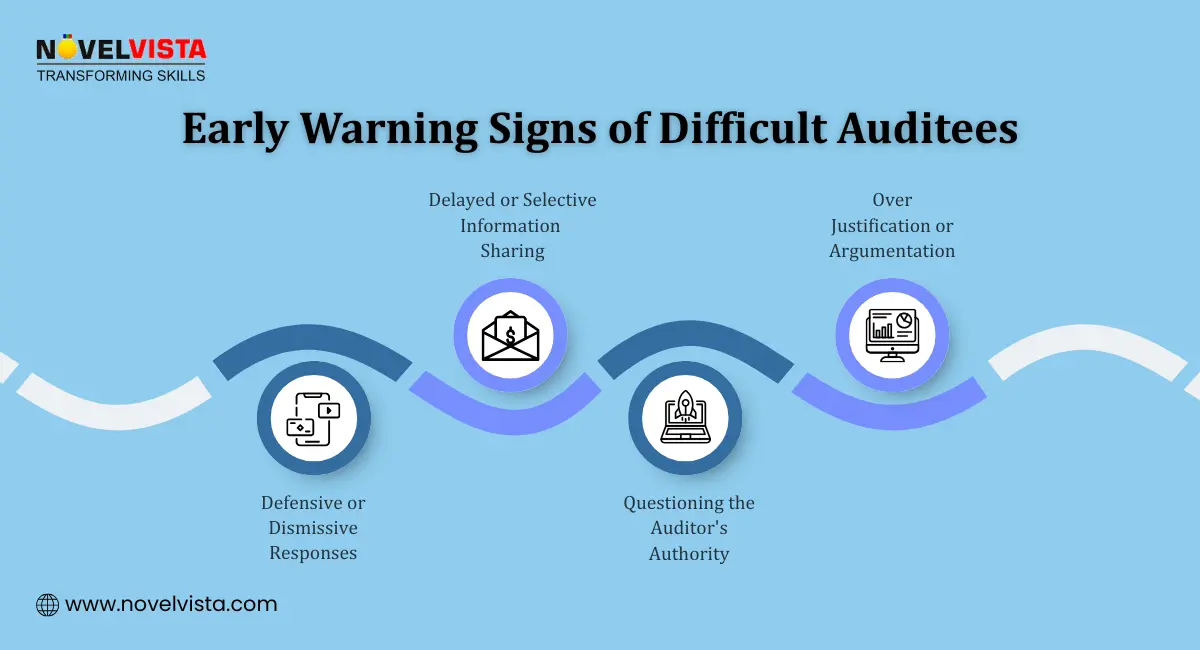
Experienced auditors spot resistance early and adjust before things escalate. Early recognition is one of the most effective forms of auditor conflict resolution.
Common signs of difficult auditees include:
Recognizing these behaviors early allows auditors to slow the pace, clarify intent, and reframe discussions before tension grows.
How an auditor speaks often matters more than what they say. Strong audit communication can turn a difficult moment into a productive discussion.
Effective auditors:
Good audit communication helps auditees see findings as part of compliance and improvement, not personal criticism. This is often the turning point when dealing with difficult auditees.
Auditors trained in structured communication reduce disputes by reframing findings around risk and system impact, rather than compliance failure. This approach keeps discussions factual and productive.
When tension shows up, theory won’t help much. What works is a set of simple, repeatable behaviors that experienced auditors rely on for auditor conflict resolution.
Let auditees explain their situation fully before responding.
This approach builds trust and often reveals root causes hidden behind defensiveness. It also reduces resistance from difficult auditees who feel unheard.
Shift the conversation back to facts whenever emotions rise.
Evidence-based discussion keeps auditor conflict resolution grounded and professional.
Most auditees want fewer risks and smoother operations.
This reframing helps difficult auditees see value instead of threat.
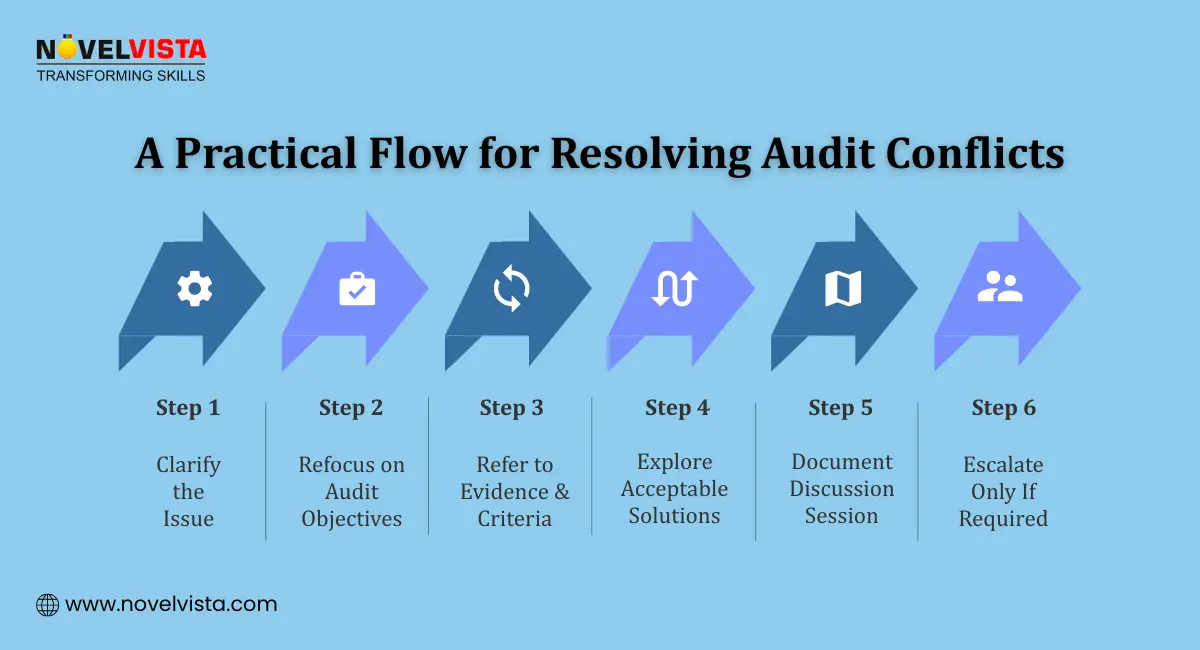
Experienced auditors follow a natural flow when conflict appears. This keeps discussions structured and controlled.
This step-by-step flow supports consistent auditor conflict resolution and prevents emotional detours.
Training data shows that most conflicts never require escalation when auditors remain calm, transparent, and consistent. Escalation works best as a safeguard, not a default response. Strong auditors know the difference.
Escalation is appropriate when:
In such cases, senior auditors or audit committees help maintain objectivity. ISO 19011 emphasizes due professional care and confidentiality during escalation.
In practice, strong ISO 19011 soft skills often prevent escalation altogether. Calm communication, fairness, and clarity resolve most issues long before escalation is needed.
Learn how to stay calm, credible, and in control during tough audit conversations, without risking findings or relationships.
Every difficult audit offers lessons. Skilled auditors reflect after the audit to improve future performance.
Useful reflection questions include:
Using these insights strengthens long-term auditor conflict resolution skills and builds credibility over time. This learning mindset is a key part of ISO 19011 soft skills development.
Conflict is a normal part of auditing, not a failure.
Effective auditor conflict resolution depends on:
Handling difficult auditees professionally improves trust, audit outcomes, and your reputation as an auditor. Mastery of ISO 19011 soft skills is what separates competent auditors from exceptional ones.
Auditors who demonstrate professionalism under pressure earn long-term credibility. Organizations are more likely to accept findings when they trust the auditor’s fairness and intent.
If you want to handle audit conflicts with confidence and professionalism, NovelVista’s ISO 9001 Lead Auditor Certification Training is a strong next step. The course goes beyond clauses and checklists, focusing on real audit scenarios, communication challenges, evidence handling, and auditor judgment. It helps you build the confidence and skills needed to manage difficult auditees, lead audits effectively, and grow as a trusted Lead Auditor.

Author Details

Course Related To This blog
ISO 9001:2015 Lead Auditor Training and Certification
Confused About Certification?
Get Free Consultation Call
Stay ahead of the curve by tapping into the latest emerging trends and transforming your subscription into a powerful resource. Maximize every feature, unlock exclusive benefits, and ensure you're always one step ahead in your journey to success.