Category | Quality Management
Last Updated On 06/06/2026
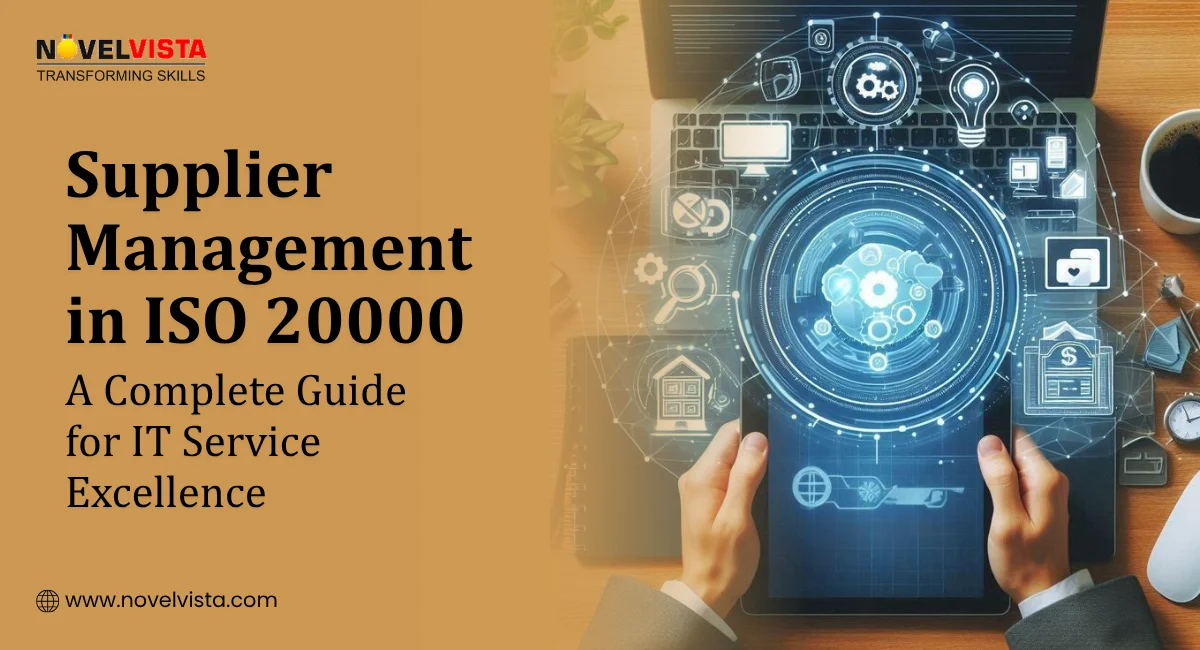
Modern IT services don’t operate in isolation they depend on a complex ecosystem of vendors, partners, and service providers. However, the real challenge isn’t dependency it’s control. Without structured supplier management, even high-performing vendors can become hidden risks.
This raises an important question:
How can organizations ensure their suppliers consistently deliver high-quality services?
And how do you manage vendor risks while maintaining compliance and performance?
That’s where Supplier Management in ISO 20000 becomes essential.
Whether you are an IT service manager, compliance professional, ISO auditor, or business leader, understanding how to manage suppliers effectively is critical for delivering reliable and high-performing IT services.
In this guide, we’ll break down everything you need to know about ISO 20000 Supplier Management, from concepts to implementation and best practices.
Supplier Management in ISO 20000 refers to the structured process of selecting, managing, monitoring, and continuously improving relationships with external suppliers who contribute to IT service delivery. In simple terms, it ensures that suppliers meet agreed service levels, risks are minimized, and services remain consistent and reliable. Under ISO/IEC 20000 Supplier Management, organizations are required to establish clear controls and governance mechanisms so that suppliers align with defined service requirements as well as broader business objectives. As a critical component of IT Service Management (ITSM), ISO 20000 Supplier Management ensures that third-party services support operations seamlessly rather than disrupt them, ultimately enabling organizations to maintain service quality, compliance, and performance.
Implementing Supplier Management ISO 20000 is not just about vendor control it’s about business continuity and service excellence.
Suppliers can introduce operational, security, and compliance risks. A structured approach helps identify and mitigate these risks early.
Without proper supplier management, service quality can vary. ISO standards ensure uniformity.
ISO 20000 Supplier Management ensures your organization meets regulatory and audit requirements.
Managing suppliers effectively helps avoid hidden costs, penalties, and inefficiencies.
To successfully implement Supplier Management in ISO 20000, organizations must focus on several key areas:
Choosing the right supplier is the foundation. This includes:
Contracts must clearly define:
Continuous monitoring ensures suppliers meet expectations. This includes:
Under ISO/IEC 20000 Supplier Management, organizations must:
Building strong relationships improves collaboration and long-term success.
The ISO 20000 Supplier Management process follows a structured lifecycle:
Identify suppliers that are critical to IT service delivery and business operations. Focus on those who directly impact service quality, availability, and customer experience.
Assess suppliers based on their performance history, technical capabilities, and potential risk factors. This helps ensure you select reliable vendors aligned with your service and compliance requirements.
Establish clear contracts, SLAs, and defined expectations from the beginning. This creates accountability and sets a strong foundation for a successful supplier relationship.
Continuously track supplier performance using defined KPIs, metrics, and regular reviews. This ensures suppliers consistently meet agreed service levels and deliver expected outcomes.
Regularly evaluate supplier performance and implement improvements through feedback and corrective actions. This helps optimize efficiency and maintain long-term service quality.
This lifecycle ensures that Supplier Management ISO 20000 remains proactive rather than reactive, enabling organizations to prevent issues rather than just respond to them. Understanding the ISO 20000 Cost is crucial for organizations planning to implement IT service management standards while balancing budget, resources, and long-term ROI.
To maximize the effectiveness of Supplier Management in ISO 20000, follow these best practices:
Ensure measurable and realistic expectations.
Periodic audits help identify gaps and ensure compliance.
Open communication prevents misunderstandings and delays.
Proactively address supplier-related risks.
Regular feedback and optimization drive long-term success.
Despite its importance, organizations often struggle with ISO 20000 Supplier Management.
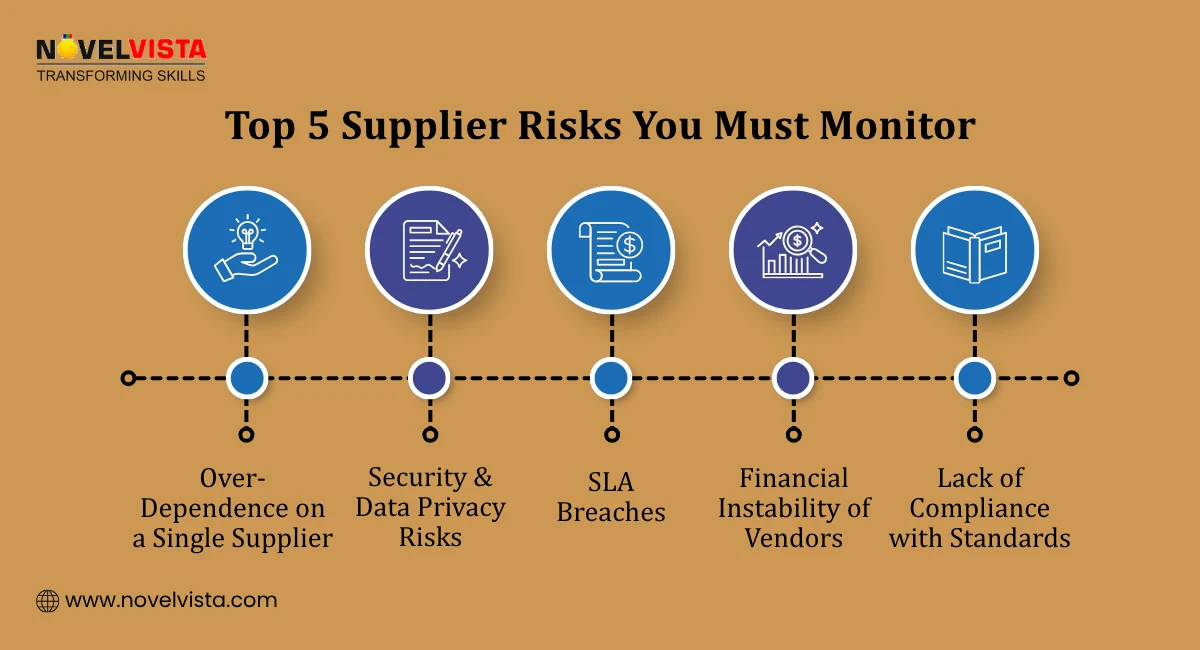
Many organizations lack real-time insights into supplier performance.
Misaligned expectations can lead to service failures.
Over-reliance on a single supplier can create vulnerabilities.
Failure to meet ISO requirements can lead to audit failures.
Understanding these challenges is the first step toward overcoming them.
Implementing Supplier Management ISO 20000 requires a structured approach:
Create clear policies aligned with ISO standards.
Classify suppliers based on criticality and impact.
Ensure all agreements are well-documented.
Use dashboards, KPIs, and reports.
Evaluate supplier performance periodically.
Use feedback and data to enhance supplier relationships.
When implemented correctly, Supplier Management in ISO 20000 delivers significant benefits:
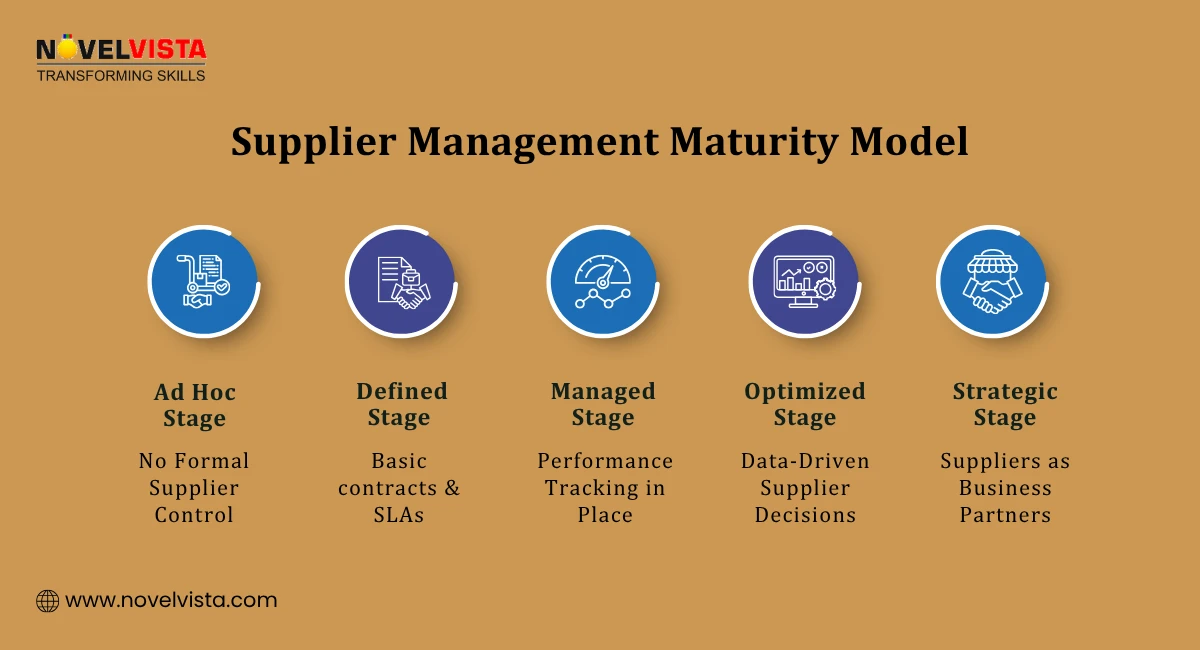
Consistent supplier performance enhances overall service delivery. With well-defined SLAs and monitoring, organizations can maintain high standards across all IT services.
Better Vendor Accountability
Clear expectations ensure suppliers take responsibility for their deliverables. This improves transparency, reduces blame gaps, and strengthens trust between organizations and vendors.
Reduced Risks
Proactive management minimizes disruptions and unexpected failures. Identifying and addressing risks early helps maintain service continuity and compliance.
Suppliers support strategic business goals by aligning their services with organizational objectives. This ensures that vendor contributions directly add value to overall business outcomes. Prepare confidently for your next audit role with these essential 20000 Certification Interview Questions designed to test your knowledge of IT service management and ISO standards.
In a world where IT services are increasingly powered by external vendors, the real competitive advantage lies not just in choosing the right suppliers but in managing them effectively. Organizations that fail to control supplier performance often face hidden risks, service inconsistencies, and operational disruptions that directly impact business outcomes.
This is where Supplier Management in ISO 20000 becomes a game-changer. It brings structure, accountability, and visibility into your supplier ecosystem, ensuring every vendor contributes to service excellence rather than becoming a weak link.
By adopting strong ISO 20000 Supplier Management practices, businesses can move from reactive firefighting to proactive control improving service quality, reducing risks, and building stronger, more reliable supplier partnerships.
If your organization depends on third-party services, the question is no longer whether you need it but how soon you can strengthen your Supplier Management ISO 20000 strategy to stay resilient, compliant, and future-ready.
Join NovelVista’s ISO/IEC 20000:2018 Lead Auditor Certification Training and gain practical auditing skills, real-world service management insights, and globally recognized credentials. Designed for IT leaders and ITSM professionals, this course empowers you to confidently lead audits and drive service excellence across your organization.
Start your ISO 20000 auditor journey today!
Author Details

Course Related To This blog
ISO 20000:2018 Lead Auditor
Confused About Certification?
Get Free Consultation Call
Stay ahead of the curve by tapping into the latest emerging trends and transforming your subscription into a powerful resource. Maximize every feature, unlock exclusive benefits, and ensure you're always one step ahead in your journey to success.