Category | AI And ML
Last Updated On 19/06/2026
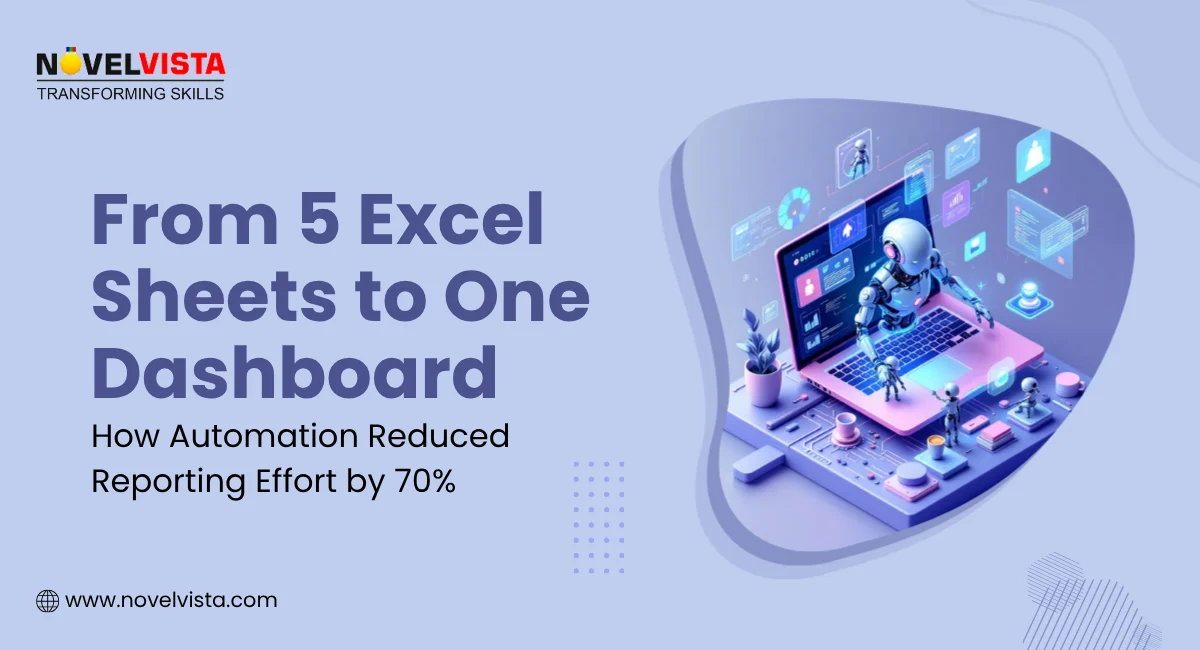
For many organizations, governance and compliance reporting still rely on a familiar process: multiple Excel sheets, endless email chains, scattered client updates, and manual audit preparation.
While this approach may work initially, it becomes increasingly difficult to manage as the number of clients, projects, and compliance requirements grows.
This was exactly the challenge one organization faced.
The team was managing governance and compliance activities across multiple clients. Information was spread across different systems, making reporting and visibility difficult.
A typical reporting cycle involved:
As client volumes increased, the process became harder to sustain.
Finding the latest version of a report often meant searching through inboxes and chat threads. Different clients submitted information in different formats, requiring additional effort to standardize and validate data before reporting.
The result was a process that consumed valuable time while providing limited visibility into risks, compliance status, and audit readiness.
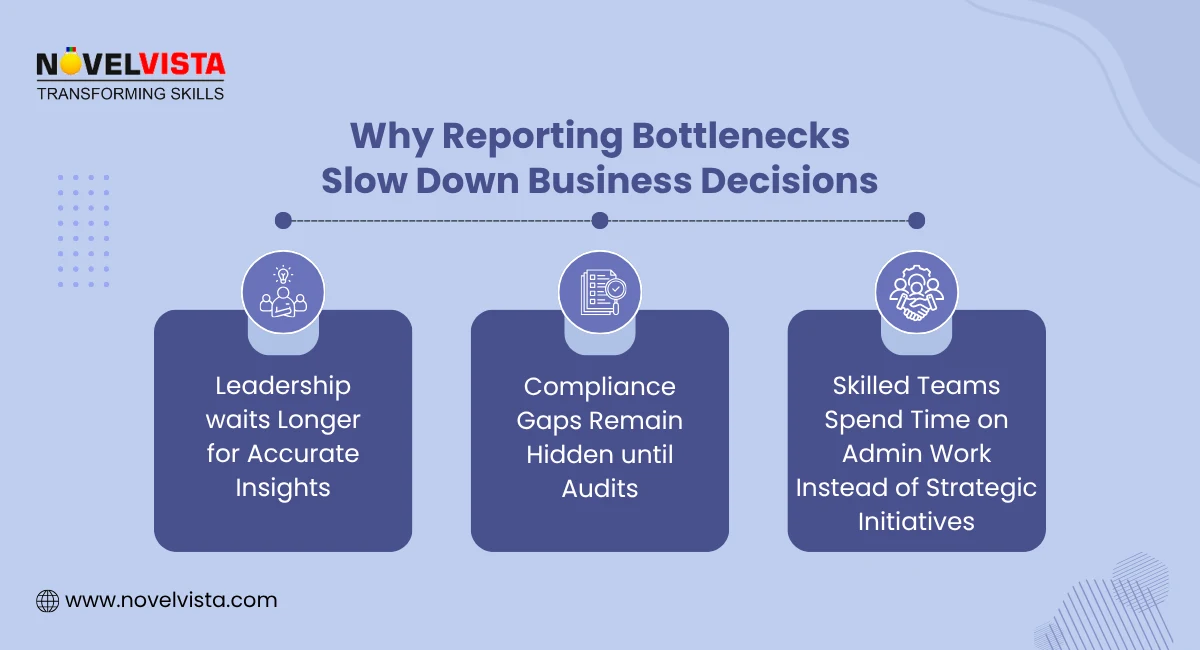
Many organizations underestimate how much time is lost through fragmented reporting processes.
The team discovered that the biggest issue wasn't just the number of spreadsheets, but everything surrounding them.
Hours were being spent every week collecting updates, validating information, formatting reports, and preparing management dashboards.
Because data came from multiple sources, there was always uncertainty around accuracy and completeness. Team members often found themselves checking the same information repeatedly before sharing reports with stakeholders.
The monthly reporting cycle became a repetitive exercise:
Instead of focusing on analysis, risk management, and strategic improvements, teams were spending their time on administrative work.
Rather than adding more spreadsheets or creating additional manual controls, the organization decided to automate the workflow.
The objective was simple:
Create a single source of truth for governance and compliance reporting.
The solution combined three technologies:
N8N was used to automate data gathering from different sources and workflows.
Instead of manually collecting updates from multiple channels, information could now flow automatically into a centralized process.
This significantly reduced the time spent chasing stakeholders for updates and manually consolidating information.
Once the data was centralized, Power BI transformed it into a live reporting dashboard.
Rather than maintaining multiple Excel files, stakeholders could access a single dashboard showing compliance status, reporting metrics, risk indicators, and client-level information in real time.
The dashboard provided consistent reporting across all clients while eliminating duplicate effort.
The organization also leveraged Microsoft 365 to streamline document management and collaboration.
Reports, audit evidence, and supporting documentation were stored and managed within an integrated ecosystem, making information easier to access and maintain.
Instead of working across disconnected tools, teams could collaborate within a unified environment.
The impact was visible almost immediately.
By eliminating repetitive manual tasks and centralizing reporting, the organization reduced reporting effort by approximately 70%.
The benefits extended far beyond time savings:
Instead of manually updating spreadsheets, compliance information was captured and reflected automatically within reporting workflows.
Stakeholders gained immediate visibility into key risks and compliance gaps through live dashboards.
Supporting evidence and documentation were available when needed, reducing the stress and effort associated with audit preparation.
Perhaps the most significant improvement was consistency.
Rather than managing separate reporting processes for each client, the organization now operated through a single reporting framework and dashboard.
The success of this transformation wasn't driven by technology alone—it was enabled by teams that understood how to automate workflows, connect systems, and leverage AI effectively.
As organizations scale, manual processes become a barrier to efficiency, compliance, and growth. Forward-thinking companies are now investing in automation capabilities that help teams eliminate repetitive tasks, improve operational visibility, and accelerate decision-making.
Equip your teams with practical skills in AI workflow automation, intelligent process orchestration, and agent building through NovelVista's Corporate Training on n8n AI Workflow Automation & Agent Building.
Empower your workforce to automate routine operations, streamline reporting, and create scalable business processes that deliver measurable productivity gains across the organization.
Author Details

Confused About Certification?
Get Free Consultation Call
Stay ahead of the curve by tapping into the latest emerging trends and transforming your subscription into a powerful resource. Maximize every feature, unlock exclusive benefits, and ensure you're always one step ahead in your journey to success.