Category | Quality Management
Last Updated On 04/12/2025
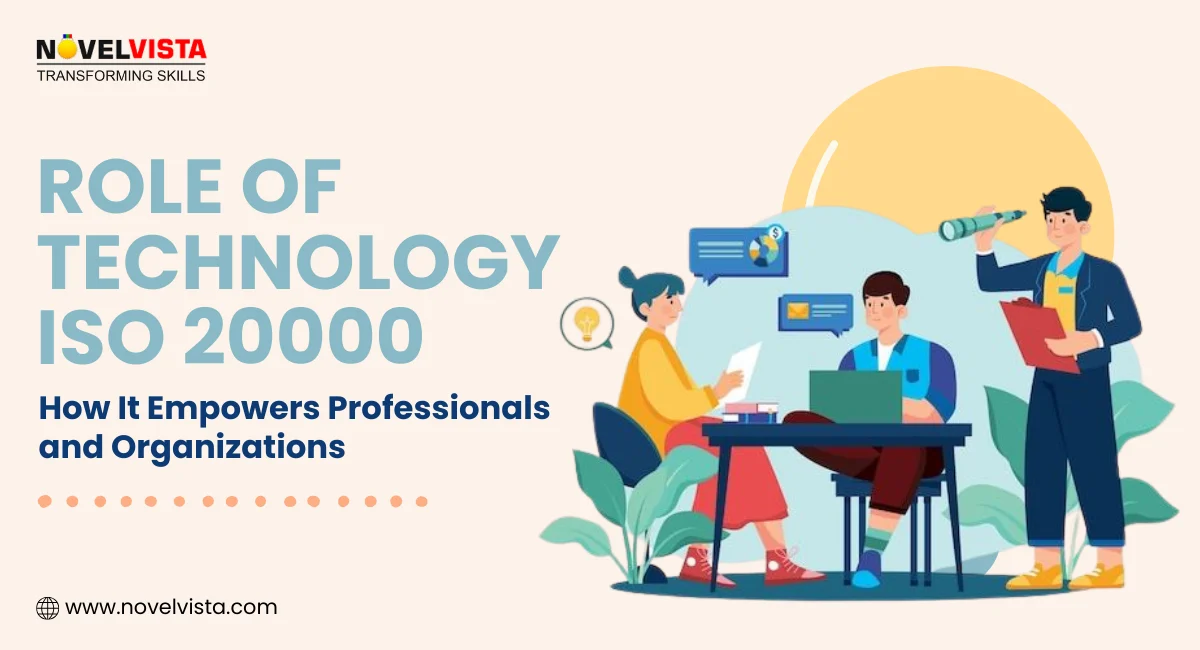
Let’s start with a simple question: how long can an IT team rely on manual work before things start slipping? That tiny pause, that small delay, that missed follow-up… it all piles up fast. That’s exactly where the Role of Technology in ISO 20000 becomes the game-changer.
The role of technology in ISO 20000 is to help teams manage services with less manual effort, more accuracy, faster decisions, and a stable flow of operations. This blog walks you through how technology makes ISO 20000 easier, smarter, and more reliable for any organization trying to build a strong ITSM system.
One of the biggest wins of technology is how it cuts repetitive work. When you look closely at the Role of Technology in ISO 20000, automation shows up everywhere. It supports ISO 20000 processes, so teams don’t spend their time chasing tickets or filling forms.
While training ITSM professionals, we’ve seen automation completely change their daily workload. Tasks that once took hours now finish in minutes. This is why our ISO 20000 programs always stress the value of AI, workflow automation, and predictive tools for building a stable and well-controlled SMS.
Here’s how technology boosts automation:
AI-powered chatbots handle routine questions, simple ticket creation, common troubleshooting steps, and status updates. This reduces waiting time, speeds up response, and lets service desk teams focus on real issues. It also ensures the SMS keeps running smoothly without depending on one person.
Instead of fixing issues after they create noise, predictive analytics spots patterns early. This helps IT teams reduce repeat incidents, identify failing assets, and prevent breakdowns. It quietly strengthens ISO 20000 controls and keeps operations stable.
Automated workflows connect incident, problem, change, and release processes. When one action triggers the next automatically, the entire SMS becomes faster and more reliable. This shows the real Role of Technology in ISO 20000, removing complexity and helping teams deliver services at the right time.
ISO 20000 needs decisions backed by real service data. That’s where technology steps in, giving IT teams dashboards, alerts, and trends that guide them with clarity.
Analytics That Strengthen Business Alignment: The Role of Technology in ISO 20000 also shows up in analytics tools that reveal service behavior. Leaders can see which services matter most, where resources are used, and how trends change over time. This helps teams plan better and support business goals with confidence.
You’ve seen reactive teams; they fix things only after someone shouts. But ISO 20000 encourages a more mature way of working. Technology is the bridge that takes teams from reactive to proactive.
Organizations rarely follow one standard. ISO 20000 often works alongside ISO 27001, especially when services need high security. Technology helps these standards stay aligned without extra work.
Tools That Support Hybrid and Remote Teams: Today’s IT teams work across cities, devices, and networks. Technology ensures service management stays consistent no matter where people are working. This improves SMS performance and keeps the organization compliant.
Discover 15 smart automation ideas that cut workload, boost
SLA performance, and make ISO 20000 audits effortless,
no complex tools needed.
Technology isn’t just a support element; it shapes how ISO 20000 comes to life inside an organization. Here are the main tools that bring the Role of Technology in ISO 20000 into reality:
ITSM Platforms: These tools manage incidents, problems, changes, service levels, and the entire service lifecycle. They ensure documentation, reporting, workflows, and service data follow ISO 20000 guidelines.
Cybersecurity Tools: Security tools protect networks, endpoints, access points, and user interactions. They help maintain the stability and safety of service operations, a core requirement of ISO 20000.
Automation Solutions: From tickets to approvals to reporting, automation reduces manual errors and lowers service costs. This supports service quality and helps teams stay audit-ready with minimal effort.
The technologies we recommend in training are the same ones used by organizations preparing for ISO audits. These platforms follow structured ITSM practices, keep evidence clear, and simplify compliance. Using recognized tools gives organizations confidence that their SMS aligns with international best practices.
Looking for ready-to-use resources to support your ITSM journey? Explore A Complete ISO 20000 Toolkit for templates, checklists, and practical tools that make implementation easier.
When organizations use technology effectively, the SMS becomes stronger and more predictable. This turns the Role of Technology in ISO 20000 into real business value.
Higher Efficiency and Lower Downtime: Automated processes and smart tools reduce delays and avoid repetitive work. This means faster service delivery and fewer disruptions.
Better Compliance and Certification Readiness: Technology organizes evidence, tracks improvements, and maintains controls. This makes certification smoother and less stressful.
Improved Competitiveness: Organizations that follow ISO 20000 with the help of technology serve customers faster, handle workloads better, and scale more confidently.
Lead auditors play a huge role in checking whether the SMS works the way it should. Technology makes their job smoother and more accurate, especially when they need to review a lot of evidence in a short time.
Audit tools store documents, logs, workflows, reports, and records in one place. This helps auditors find information quickly without digging through emails or folders. It improves the quality of reviews and reduces the chances of missing important details.
Dashboards provide real-time updates on ticket health, process performance, risk indicators, and control effectiveness. These visuals help lead auditors to make better decisions and guide teams more confidently. This shows another layer of how the Role of Technology in ISO 20000 supports both auditors and ITSM teams during audits.
Our lead auditor learners often say that technology makes audits far easier. When evidence, logs, and workflow data are available instantly, assessments become more accurate. This is why we focus heavily on tool understanding during ISO 20000 auditor training.
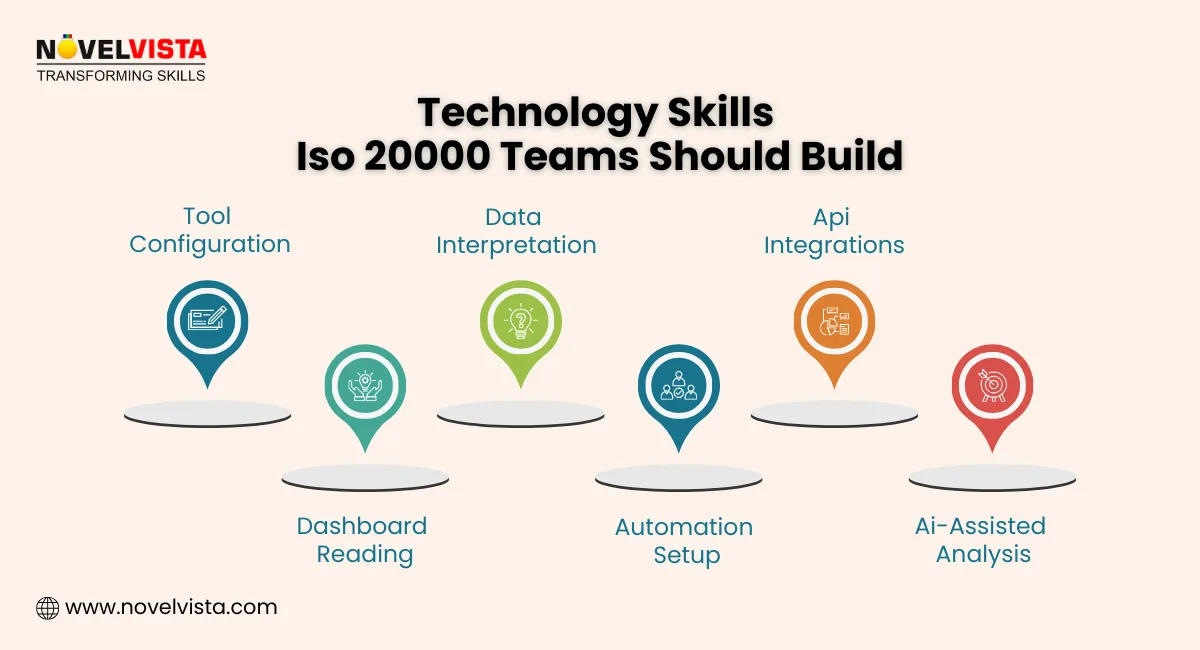
As ITSM becomes more automated, auditors need to understand the tools that power the SMS. Without this knowledge, it becomes difficult to evaluate processes correctly.
Auditors must understand how tools manage incidents, changes, risks, and evidence. This helps them check whether the tool setups support ISO 20000 requirements. It also makes their feedback more useful for organizations.
When auditors understand platforms, dashboards, and workflows, they give better recommendations. Teams can fix gaps faster and prepare for certification smoothly. This again strengthens the Role of Technology in ISO 20000, not just during operations but also during assessments.
ISO 20000 auditors who understand ITSM platforms provide stronger and more reliable guidance. That’s why our training covers tool evaluation, dashboard reading, and workflow assessment. These skills directly support the standard’s audit expectations and improve audit outcomes for organizations.
Technology doesn’t replace IT teams; it lifts them. It removes the heavy work so teams can focus on real problem-solving and service improvement.
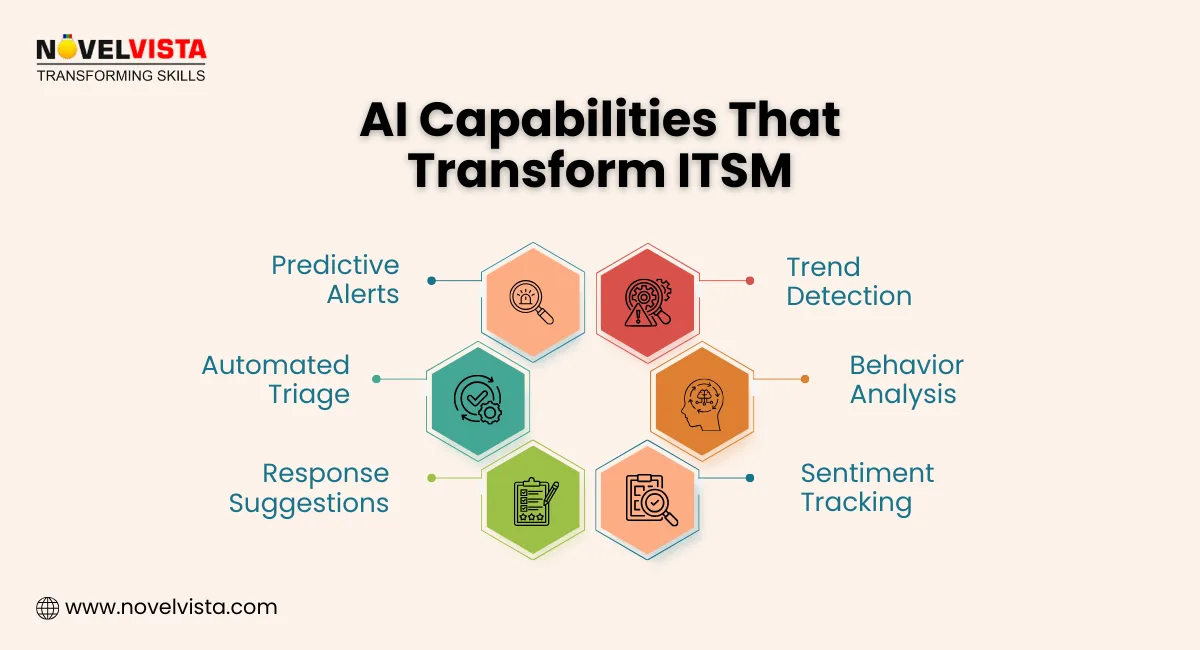
Automation takes care of ticket routing, follow-ups, approvals, and reporting. This frees ITSM professionals to work on long-term improvements, better planning, and higher-value tasks.
Dashboards help teams understand where bottlenecks appear, which services consume the most effort, and where performance drops. These insights help teams plan better and deliver services that users trust. With this, the Role of Technology in ISO 20000 directly strengthens team performance and service quality.
Technology can transform an SMS, but only when used the right way. These practices help teams get the best results while following ISO 20000 guidelines.
Choose ITSM Platforms Aligned With the PDCA Cycle: The tools should support planning, doing, checking, and improving service processes. This ensures the SMS follows a natural, continuous improvement flow.
Train Teams Before and During Implementation: Even the best tool fails when people don’t understand how to use it. Training helps teams handle workflows, dashboards, and service data correctly. It also helps them follow ISO 20000 processes without confusion.
Use Automation for Audits and Reviews: Automation helps track nonconformities, monitor improvements, and prepare evidence. This reduces pre-audit stress and ensures documentation stays clean and updated at all times.
Technology doesn’t just support ISO 20000; it strengthens it. From automation to analytics, from dashboards to AI, every tool helps teams offer stable, reliable, and predictable services. When used well, the Role of Technology in ISO 20000 brings speed, accuracy, and better planning into everyday ITSM work. It helps teams build a system that grows with the business and supports long-term service excellence.
All recommendations shared in this blog come from real interactions with teams working toward ISO 20000 certification. Every insight is backed by actual training experience, industry standards, and practical case examples, ensuring organizations get guidance they can trust and apply immediately.
If you want to go beyond understanding technology in ISO 20000 and learn how to audit, evaluate, and strengthen a service management system end-to-end, our ISO 20000 Lead Auditor Certification Training is the perfect next step. You’ll get practical auditing skills, real-world case insights, and hands-on guidance from industry experts. Take the step toward becoming a certified ISO 20000 Lead Auditor with confidence.
Author Details

Course Related To This blog
ISO 20000:2018 Lead Auditor
Confused About Certification?
Get Free Consultation Call
Stay ahead of the curve by tapping into the latest emerging trends and transforming your subscription into a powerful resource. Maximize every feature, unlock exclusive benefits, and ensure you're always one step ahead in your journey to success.