Category | Quality Management
Last Updated On 26/05/2026
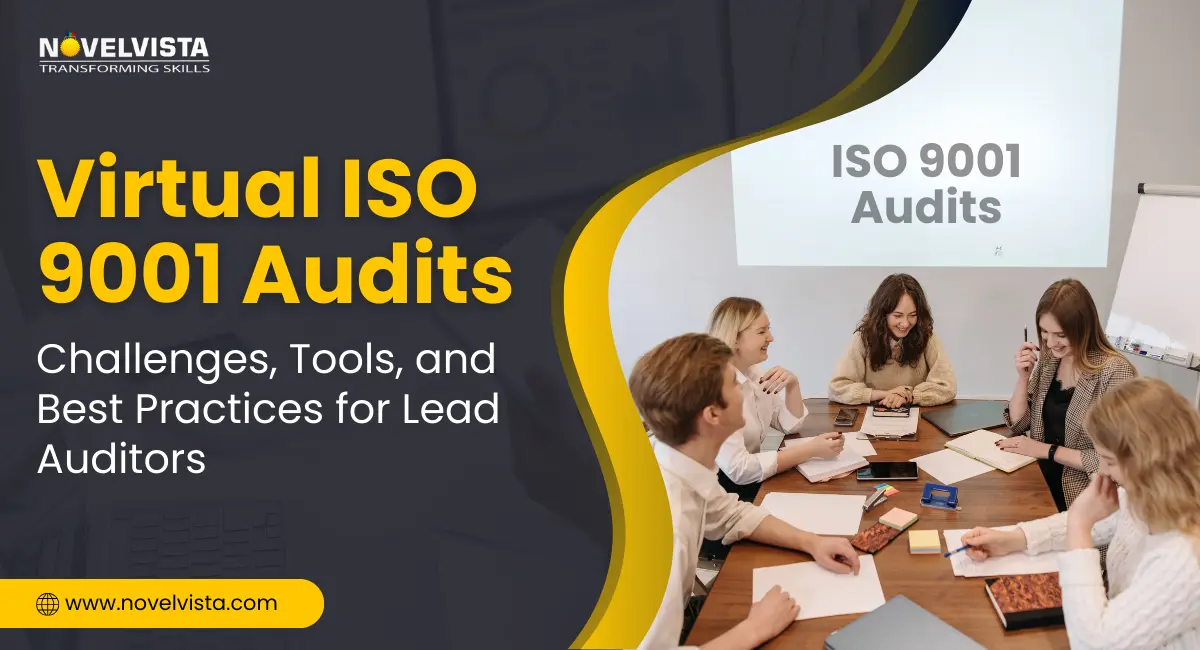
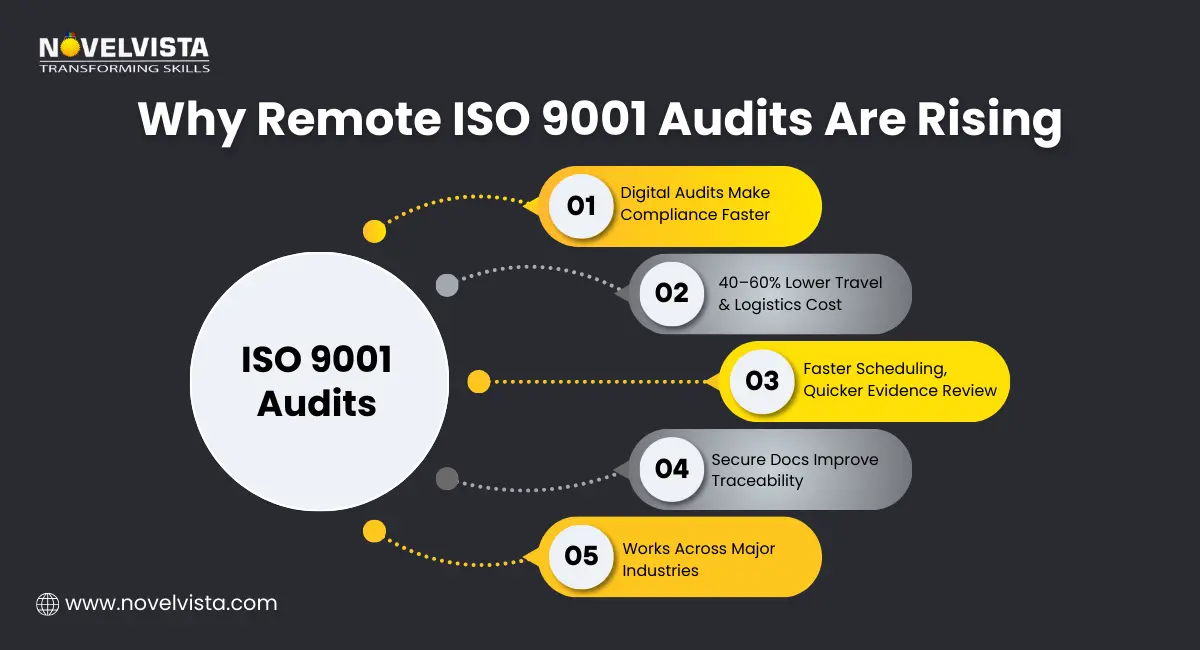
A few years ago, most quality managers believed that ISO audits had to happen onsite—walking the shop floor, checking processes in person, and interviewing teams face-to-face. The COVID-19 pandemic accelerated remote auditing adoption, rising from about 2% before 2020 to 38% that year and reaching 79% remote or hybrid by late 2021, according to industry surveys. Today, with ongoing support from ISO and IAF guidance, this trend continues in sectors like manufacturing, IT, and healthcare.
But here’s the real question:
What does auditing look like when the entire process goes digital?
How do lead auditors ensure objectivity, evidence quality, and compliance without being physically present?
And who benefits most from adopting virtual audit models?
If you're a lead auditor, a quality manager, a consultant, or a QMS owner, this guide is designed specifically for you. Today’s organizations are increasingly global, distributed, and digitally mature—and their auditing methods must follow the same direction. A remote ISO 9001 audit is not just a temporary fix anymore; it has become a strategic approach to improving efficiency, reducing cost, and ensuring consistent compliance.
In this blog, we’ll explore what a remote ISO audit really is, why companies are embracing it, the challenges involved, the best virtual audit tools, and proven best practices for lead auditor online audit success. Let’s dive in.
A remote ISO 9001 audit is an official assessment of an organization’s Quality Management System performed entirely online. Instead of physically visiting the facility, auditors use digital communication—such as video conferencing, virtual tours, digital records, and screen-shared demonstrations—to verify compliance with ISO 9001 standards.
This approach is supported by ISO and the International Accreditation Forum (IAF), which recognize remote auditing as a legitimate, valid, and effective method—provided that evidence integrity is maintained.
Key characteristics include:
Remote audits may be:
With organizations now operating across multiple regions, the remote ISO 9001 audit has become the new normal in many industries.
Successful virtual audits depend heavily on reliable, secure, and efficient tools. Here are must-have tools for any lead auditor online audit:
1. Video Conferencing Platforms
2. Cloud Document Systems
3. ISO 9001 Audit Software
4. Virtual Collaboration Tools
5. Secure File-Sharing & E-Sign Tools
When used together, these virtual audit tools create a seamless and professional audit environment that mirrors onsite audit quality—sometimes even surpassing it.
Here’s how a typical remote ISO 9001 audit unfolds:
Define scope, objectives, and timelines to align expectations. Ensure all digital platforms are accessible and functional for both parties. Share pre-audit questionnaires and required documentation well in advance.
Test video and audio settings to avoid disruptions during the remote ISO 9001 audit. Ensure stable Wi-Fi for all participants and confirm access rights to cloud folders and shared digital resources.
Explain the audit plan, expectations, and communication rules clearly. Establish backup communication channels to ensure continuity in case of technical issues.
Use live video or recorded clips to showcase work areas and processes. Demonstrate equipment, safety practices, and operational flows while maintaining transparency to compensate for the lack of physical presence.
Use screen sharing for records, procedures, and evidence review. Walk through QMS implementation and validate training records, CAPA processes, and calibration logs accurately.
Lead auditors use ISO 9001 audit software to track nonconformities efficiently. Additional proof is gathered as needed to ensure complete compliance verification.
All findings are consolidated digitally to maintain clear traceability. The final report captures evidence, observations, and conclusions in a structured format.
Results, opportunities for improvement, and corrective actions are discussed clearly and concisely. This structured approach ensures your remote ISO 9001 audit mirrors the rigor and reliability of any onsite assessment.
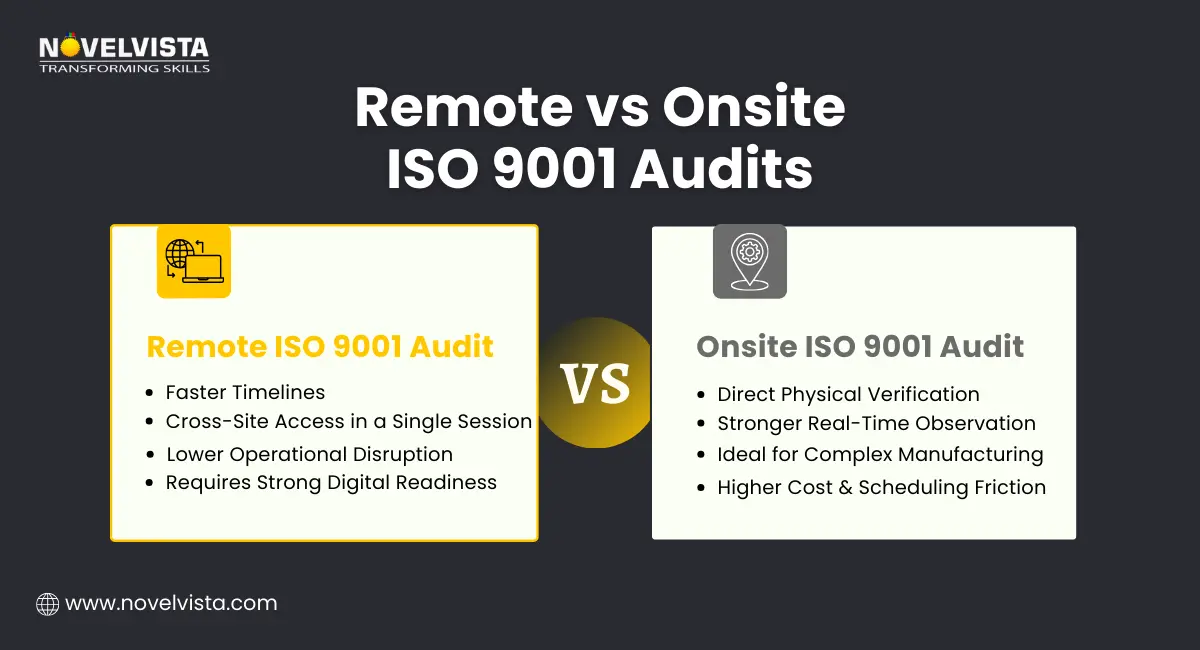
While virtual audits offer clear benefits, they also introduce unique challenges that both organizations and auditors must prepare for.
Poor internet, audio problems, or unstable connections can disrupt sessions and affect evidence collection.
Some processes—especially in manufacturing—are harder to evaluate without being onsite.
Virtual tours may restrict the auditor’s field of view and limit inspection depth.
Non-verbal cues are harder to notice during online interviews, increasing risk of misinterpretation.
Digital evidence exchange must protect sensitive documents, requiring secure platforms and strong access controls.
Lead auditors must be extra cautious to verify the originality and completeness of digital files, photos, and screen captures.
Despite these challenges and some other ISO 9001 challenges, good preparation and the right technology can ensure a smooth and effective remote ISO 9001 audit process.
Experienced auditors follow proven practices to maintain objectivity and efficiency during virtual audits.
Avoid long sessions that cause fatigue by breaking the audit into smaller, focused sections. This helps both auditors and auditees stay productive throughout the process.
Use screenshots, videos, real-time demonstrations, and timestamped records to ensure accuracy. Cross-verifying evidence strengthens the reliability of the remote audit process.
Using secure platforms protects confidential data and aligns with ISO’s requirements for controlled information. The right virtual audit tools also improve efficiency and documentation quality.
Repeat key findings, ask clarifying questions, and document everything digitally. Clear communication eliminates confusion and keeps the remote audit aligned with expectations.
Auditors and auditees must be comfortable using remote platforms to ensure smooth execution. Digital readiness directly impacts the success of a remote audit.
Encourage open responses and avoid rushed answers during discussions. Document the audit trail carefully to maintain credibility and support final decision-making.
A lead auditor online audit is only as effective as the preparation, communication, and technology behind it. During any remote ISO 9001 audit, one of the most critical outcomes is identifying Non-Conformities Found in ISO 9001, as they reveal gaps in process consistency, documentation control, and real-world implementation that organizations must address to maintain certification.Practical steps to plan and conduct audits confidently from anywhere.
Proven checklists and digital tools to streamline every stage.
Real-world tips to deliver accurate, audit outcomes.
Remote auditing is only the beginning. The future is hybrid and AI-enhanced. As remote ISO 9001 audits become the new standard, they naturally align with the broader wave of digital transformation, pushing organizations to modernize their QMS, adopt cloud-driven workflows, and strengthen end-to-end visibility.
A combination of onsite + remote methods delivers flexibility and full visibility.
AI tools can help:
Organizations are moving toward fully digital quality ecosystems, where processes are tracked, measured, and optimized through cloud platforms.
As this shift accelerates, the remote ISO 9001 audit will continue to evolve and remain a central part of global compliance strategies.

A remote ISO 9001 audit is no longer just an alternative—it’s a powerful, efficient, and highly reliable way for organizations to maintain their ISO 9001 certification. While it introduces new challenges, the right tools, structured planning, and strong communication help lead auditors deliver audits that match onsite quality. As virtual tools and AI continue to evolve, remote auditing will only grow stronger, faster, and more accurate.
If you’re a quality manager, consultant, or lead auditor, now is the perfect time to embrace digital auditing and prepare your organization for the future of compliance.
Join NovelVista’s ISO 9001 Lead Auditor Certification Training and gain hands-on auditing skills, practical QMS insights, and globally recognized credentials. Designed for quality managers, consultants, and aspiring lead auditors, this program equips you to conduct both onsite and remote ISO 9001 audit activities with confidence and professional excellence.
Start your ISO 9001 lead auditor journey today!
Author Details

Course Related To This blog
ISO 9001:2015 Lead Auditor Training and Certification
Confused About Certification?
Get Free Consultation Call
Stay ahead of the curve by tapping into the latest emerging trends and transforming your subscription into a powerful resource. Maximize every feature, unlock exclusive benefits, and ensure you're always one step ahead in your journey to success.