Category | Quality Management
Last Updated On 19/05/2026
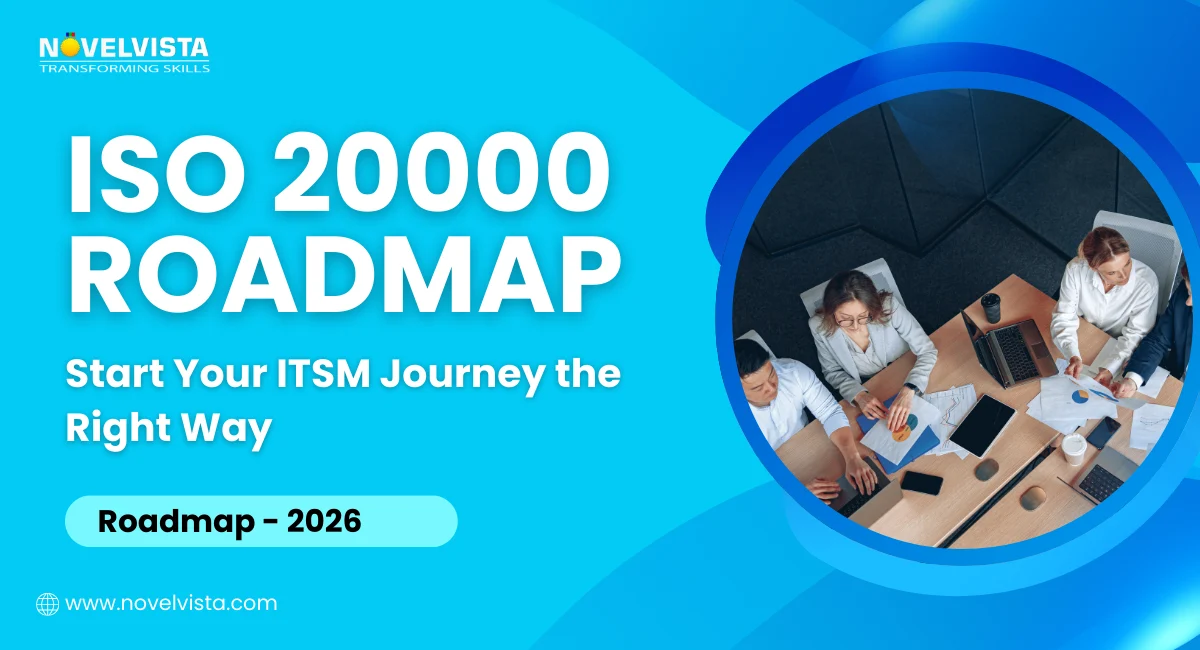
Let’s be honest — starting ITSM without a clear direction feels like trying to fix service issues with guesswork. Teams jump into processes, tools, and templates, yet nothing really connects. This is where an ISO 20000 Roadmap becomes a real game changer because it gives you a straight, structured path instead of scattered efforts.
This blog quickly shows you how an ISO 20000 Roadmap works, how to follow it without confusion, and how to use it to build a strong, audit-ready Service Management System (SMS) even if you're new to the standard.
With that clarity set, let’s simplify what this roadmap really means for beginners.
Many IT teams hear about ISO 20000 but don’t know where to start. That’s exactly why understanding the ISO 20000 Roadmap for Beginners is important. It gives a simple, visual picture of how to move from zero structure to a well-running SMS.
What this roadmap helps you do:
The ISO 20000 Roadmap connects planning, implementation, monitoring, and improvement so everything moves together. That’s why the ISO 20000 Roadmap for Beginners is one of the best starting tools you can have.
The planning stage decides how smooth your whole journey will be. When teams skip this phase or rush through it, implementation gets messy later.
Here’s how the ISO 20000 Roadmap structures this phase:
Knowing what both documents ask for helps you avoid confusion later. One focuses on requirements, while the other offers helpful guidance. Together, they give your SMS a clear shape.
ISO 20000 needs time, resources, and cross-team involvement. Leadership support ensures no one treats it like “just an IT project.” It becomes a business initiative with real backing.
Organizations without a clear scope often overcommit. Deciding what services, teams, and locations fall under the SMS prevents unnecessary work and helps you stay focused.
Objectives guide your ITSM vision. They should align with business goals, service performance, and customer needs.
Gap analysis shows the difference between your current practices and ISO 20000 requirements. It becomes your foundation for the roadmap and tells you what to fix first.
This includes timelines, owners, responsibilities, tools, risks, and training plans. A structured plan avoids delays and sets the right expectations from day one.
The planning phase of the ISO 20000 Roadmap for Beginners is where clarity begins. With this groundwork, the next steps fall into place naturally.
This is where your SMS starts taking shape. You move from planning to actual implementation, creating processes and building the culture needed for ISO 20000 success.
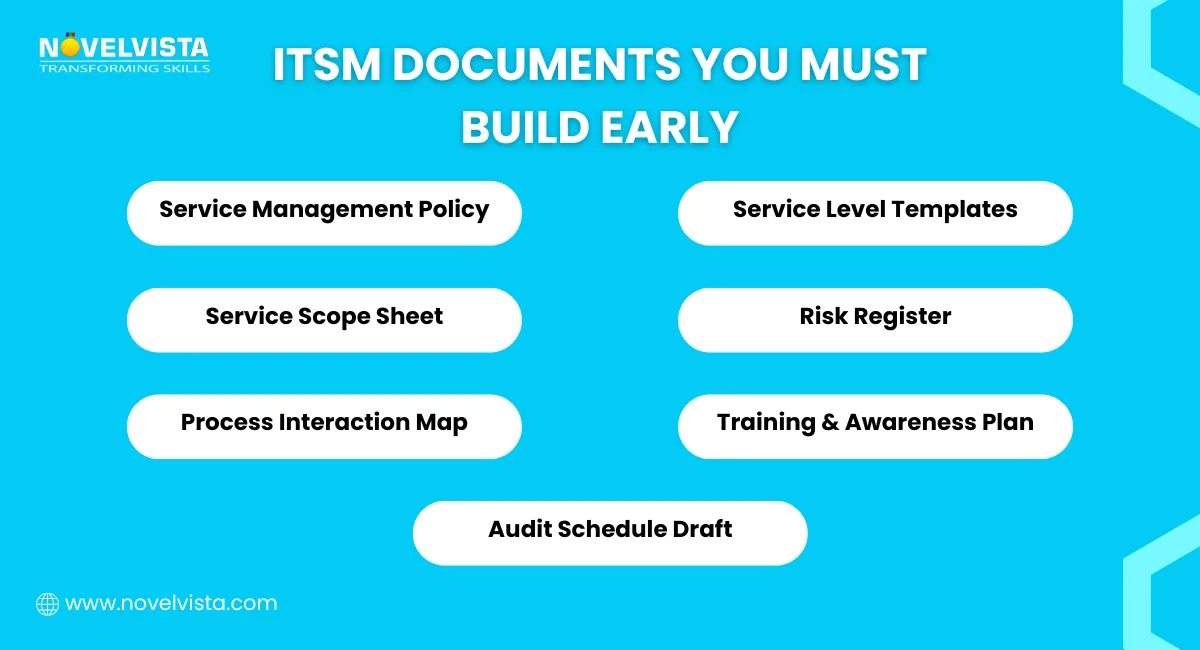
Clear documentation removes guesswork. Policies guide decision-making, while procedures help teams follow the same method every time.
Controls make sure activities are done properly, consistently, and securely. They form the backbone of stable, repeatable service delivery.
ISO 20000 only works when people understand what they need to do. Awareness programs help teams learn new processes, responsibilities, and service expectations.
These processes bring structure to your daily operations:
The implementation stage of the ISO 20000 Roadmap gives organizations a strong and disciplined ITSM foundation, while also preparing them for the ISO 20000 transition from 2011 to 2018 revision and updated service management requirements.
Once processes are running, you need to confirm they work the way they should. The Check phase makes sure you don’t wait for failures to reveal problems.
KPIs show whether processes are actually improving service performance. They make performance measurable and predictable.
Internal audits verify if teams are following the SMS properly. They highlight weaknesses early, giving you time to fix them before the external audit.
These reviews help leaders understand how well the SMS is performing. They look at risks, opportunities, incidents, customer feedback, and improvements.
This stage makes the ISO 20000 Roadmap more than a checklist — it becomes a continuous cycle where your SMS learns, adapts, and improves. Internal audits and KPI tracking are core skills we focus on during ISO 20000 training. Teams learn not just to monitor compliance but to interpret results and implement improvements. Expert guidance ensures teams spot gaps early and take corrective measures before external audits.
See exactly which ISO documents you must have—and which
are optional. Bring instant clarity to your audit prep and
avoid unnecessary paperwork.
After monitoring performance, the next step is action. This is where improvements become real and lasting. The Act phase ensures your SMS doesn’t stay static and continues to evolve.
Whenever internal audits or performance reviews reveal gaps, taking corrective actions quickly ensures your services remain aligned with ISO 20000 requirements. Fixing issues early prevents escalation later.
Customer feedback, staff suggestions, and audit findings are rich sources for improvement. Integrating this data systematically helps strengthen processes and improve service reliability.
The ultimate goal of the roadmap is certification readiness. Using insights from internal checks and continual improvement ensures your organization passes external audits confidently and with fewer surprises.
The ISO 20000 Roadmap ensures that continual improvement is not optional but part of the SMS culture, making your system resilient and audit-ready.
Lead auditors are not just examiners — they are guides who help organizations identify weak spots and improve continuously.
Having skilled lead auditors involved during implementation makes following the ISO 20000 Roadmap smoother, reducing surprises during certification. We’ve observed that teams with trained lead auditors onboard resolve gaps faster and implement stronger processes. Practical insights from experienced auditors reduce surprises during certification and improve operational maturity, providing a clear advantage over teams without guided auditing support.
Training lead auditors strengthens your team’s ability to manage the SMS and ensures smoother implementation.
Professional auditor training builds confidence, improves governance, and supports consistent tracking of service performance. It reinforces the structured steps outlined in your ISO 20000 Roadmap for Beginners.
Our ISO 20000 Lead Auditor course follows globally recognized standards and uses real-world case studies. Professionals trained through our programs consistently demonstrate better audit readiness, stronger compliance tracking, and improved SMS performance across diverse IT environments.
Even the best roadmap fails without smart execution. Here are actionable tips:
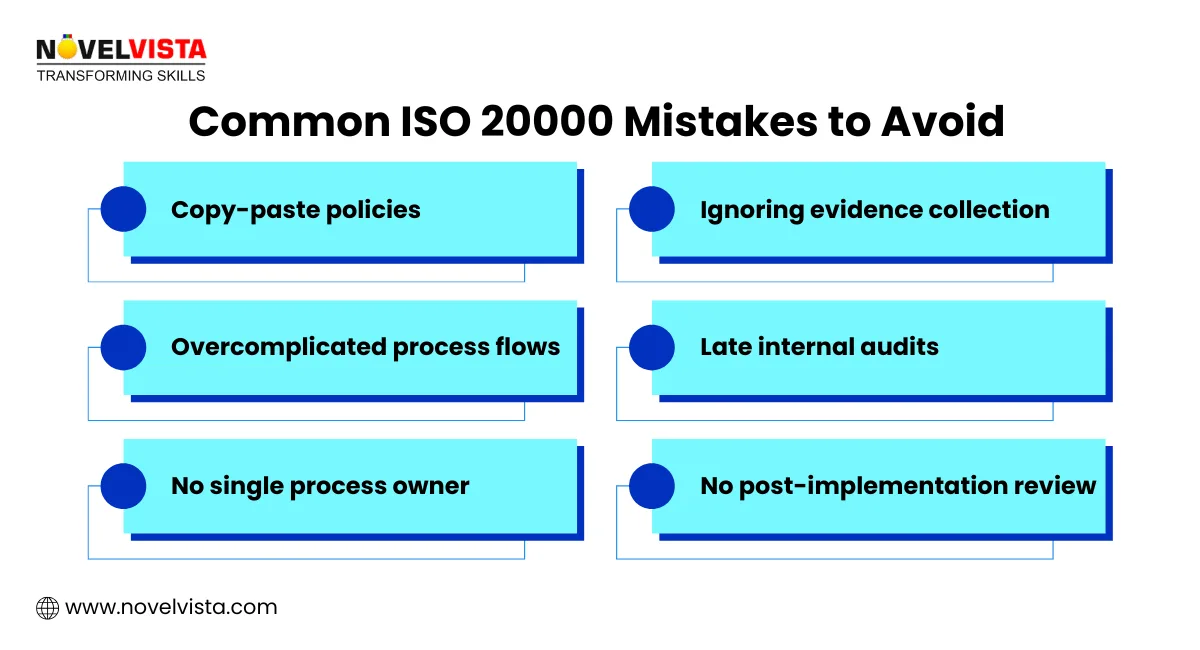
Applying these tips ensures your ISO 20000 Roadmap becomes a practical tool rather than a theoretical document.
A clear roadmap brings multiple advantages for organizations implementing ITSM:
These benefits show why a structured ISO 20000 Roadmap is indispensable for beginners and experienced teams alike.
Starting ITSM can feel overwhelming, but a structured ISO 20000 Roadmap makes it manageable, clear, and results-oriented. From planning and implementing to monitoring and continual improvement, the roadmap provides beginners with confidence and clarity. Following it ensures your SMS is not just compliant but resilient, efficient, and ready for long-term success. With this roadmap, organizations can build a strong ITSM foundation that grows with their business needs.
Everything shared here is based on real training experiences with ISO 20000 learners. Our recommendations reflect practical implementation lessons, audit insights, and globally accepted ITSM standards. Teams that follow these structured steps consistently achieve stronger SMS performance and audit readiness.

Take your ITSM journey further with NovelVista’s ISO 20000 Lead Auditor Certification Training. This course equips you with practical skills to plan, audit, and improve your Service Management System confidently. Learn how to evaluate processes, manage compliance, and support continual improvement effectively. With expert guidance, real-world case studies, and hands-on exercises, you’ll gain the confidence to lead audits and drive ISO 20000 success in your organization.
Author Details

Course Related To This blog
ISO 20000:2018 Lead Auditor
Confused About Certification?
Get Free Consultation Call
Stay ahead of the curve by tapping into the latest emerging trends and transforming your subscription into a powerful resource. Maximize every feature, unlock exclusive benefits, and ensure you're always one step ahead in your journey to success.