Category | AI And ML
Last Updated On 15/07/2026
Artificial intelligence has moved beyond simple chatbots. Today, AI models are helping organizations write code, analyze data, automate workflows, generate marketing content, and even assist in strategic decision-making. According to recent industry reports, over 75% of knowledge workers now use AI tools at least once a week, while businesses adopting AI-assisted workflows report significant improvements in productivity and operational efficiency. As AI adoption accelerates, one question becomes increasingly important:
This is where GPT-5.6 Sol vs Claude Fable 5 becomes an important comparison. Rather than competing on a single benchmark, these two AI models appear to represent different approaches to solving problems. One emphasizes speed and execution, while the other focuses on thoughtful analysis and contextual reasoning.
Understanding GPT-5.6 Sol vs Claude Fable 5 is less about finding a universal winner and more about selecting the right AI assistant for the right workflow. Whether you're a software developer, project manager, marketer, business analyst, or AI practitioner, choosing the appropriate model can dramatically improve both productivity and output quality.
The biggest difference in Claude Fable 5 vs GPT-5.6 Sol isn't simply performance—it is philosophy.
Instead of optimizing for identical goals, both models appear to excel in different stages of work.
Feature | GPT-5.6 Sol | Claude Fable 5 |
| Primary Strength | Fast execution | Deep reasoning |
| Best For | Drafting, prototyping, workflows | Analysis, review, validation |
| Response Style | Structured and action-oriented | Detailed and context-aware |
| Ideal Users | Product teams, marketers, developers | Engineers, analysts, architects |
| Workflow Role | Creation | Verification |
Rather than asking which model is "smarter," organizations should ask which model aligns with their business objectives.
When evaluating GPT-5.6 Sol vs Claude Fable 5, GPT-5.6 Sol appears particularly effective in environments where execution speed matters.
Modern businesses often work under tight deadlines. Teams need rapid iterations instead of perfect first drafts. GPT-5.6 Sol seems designed for exactly that scenario.
Common use cases include:
Imagine a product manager preparing a new feature release.
Instead of spending hours structuring requirements manually, GPT-5.6 Sol can quickly generate an organized draft, allowing the team to move into implementation much faster.
Similarly, developers can generate starter code, marketers can outline campaigns, and consultants can build proposal templates within minutes.
The value here isn't necessarily perfection—it's momentum.
For organizations focused on rapid delivery and agile execution, this can significantly reduce turnaround time.
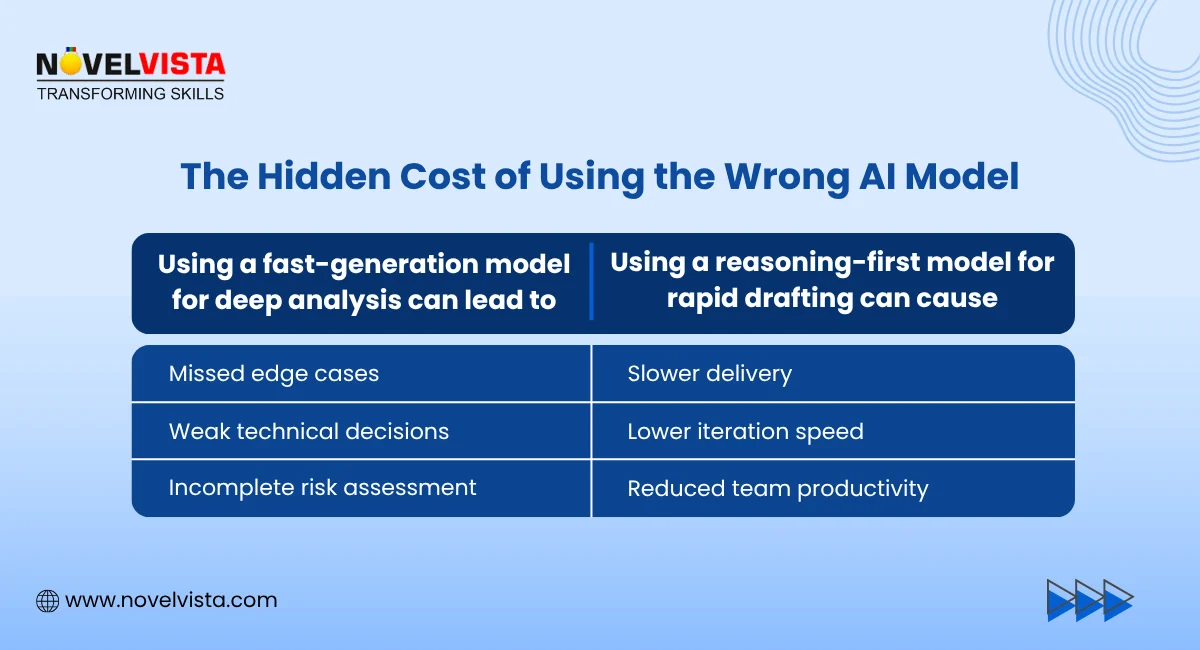
While GPT-5.6 Sol emphasizes creation, Claude Fable 5 appears better suited for careful evaluation.
In the GPT-5.6 Sol vs Claude Fable 5 comparison, Claude Fable 5 seems particularly valuable when accuracy carries greater importance than speed.
Typical strengths include:
Consider a software engineering team reviewing thousands of lines of code.
Generating code is one challenge.
Finding hidden architectural flaws, security risks, edge cases, or maintainability issues is another.
This is where deeper reasoning becomes more valuable than fast generation.
Claude Fable 5 appears capable of maintaining context across lengthy discussions, making it useful for projects involving multiple stakeholders, extensive documentation, or layered technical decisions.
Instead of producing quick answers, it focuses on producing carefully considered responses.
The choice often depends on the department using the AI model.
Team | Better Fit | Why |
| Product Management | GPT-5.6 Sol | Faster planning and documentation |
| Marketing | GPT-5.6 Sol | Quick content generation |
| Software Development | Both | Draft with Sol, review with Fable |
| Cybersecurity | Claude Fable 5 | Better analytical reasoning |
| Consulting | Claude Fable 5 | Stronger contextual analysis |
| Operations | GPT-5.6 Sol | Workflow acceleration |
| Enterprise Architecture | Claude Fable 5 | Better decision validation |
This illustrates why GPT-5.6 Sol vs Claude Fable 5 isn't simply a winner-versus-loser comparison.
Different business functions naturally benefit from different AI capabilities.
One of the biggest insights from Claude Fable 5 vs GPT-5.6 Sol is that these models complement each other remarkably well.
Think of an AI-powered software development lifecycle.
Use GPT-5.6 Sol to:
Use GPT-5.6 Sol to:
Use Claude Fable 5 to:
Use Claude Fable 5 to:
Instead of replacing one another, the two models naturally fit different phases of work.
This workflow-based approach helps organizations improve both productivity and quality.
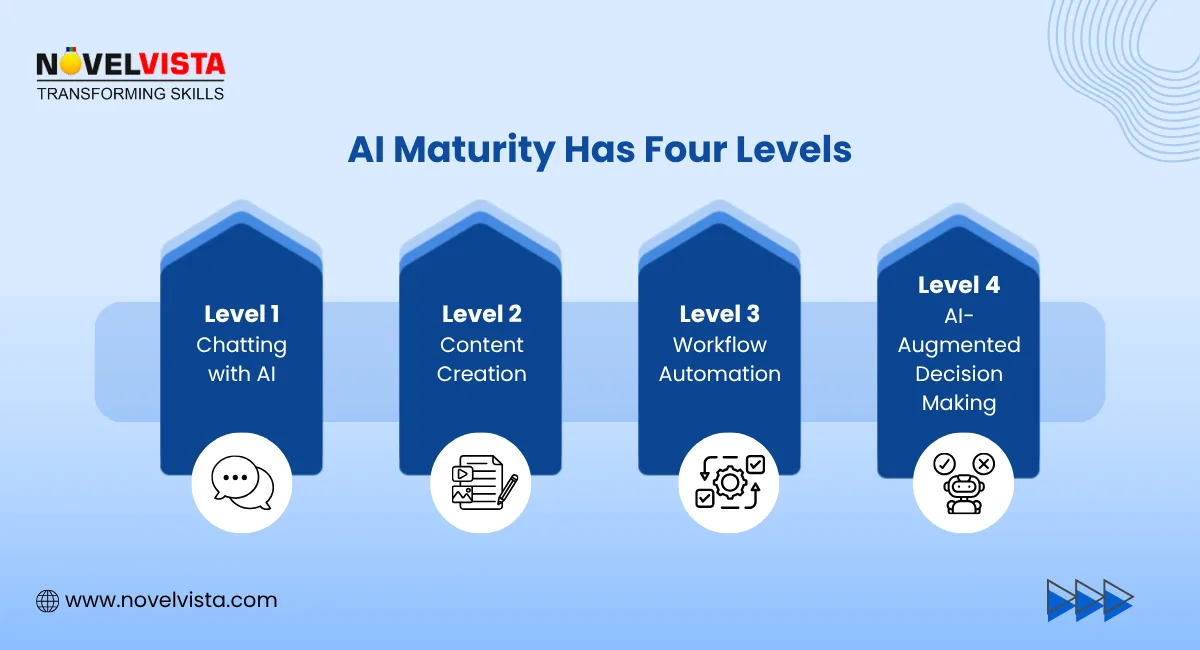
The decision largely depends on your priorities.
Choose GPT-5.6 Sol if your goals include:
Choose Claude Fable 5 if you require:
For many organizations, the answer isn't choosing one model over another.
It's assigning each model to the tasks it performs best.
The Claude Fable 5 vs GPT-5.6 Sol discussion also highlights an important lesson for enterprise AI adoption.
Instead of treating AI as a single tool, organizations should define specialized AI roles within their workflows.
Some practical recommendations include:
This role-based approach reduces errors, improves efficiency, and helps teams maximize return on AI investments.
Rather than expecting one model to excel everywhere, organizations can build AI workflows that leverage the strengths of multiple models.

The debate around Claude Fable 5 vs GPT-5.6 Sol shouldn't focus on declaring a single winner.
GPT-5.6 Sol appears optimized for speed, structured execution, and rapid workflow acceleration. Claude Fable 5, meanwhile, seems better suited for thoughtful reasoning, long-context understanding, and quality assurance.
For professionals and enterprises alike, the smartest strategy is understanding where each model creates the most value. Fast execution and careful validation are equally important in modern AI workflows. If chatgpt suits your organizational needs best you can check out ChatGPT Mastery for Professionals, and if you think Fable 5 is a better fit you can enroll your team for Claude Certified Architect by NovelVista.
As AI continues evolving, successful teams will move beyond asking, "Which model is best?" Instead, they'll ask, "Which model is best for this stage of the work?" That shift in thinking can lead to better productivity, higher-quality outcomes, and more effective AI adoption.
The primary difference in GPT-5.6 Sol vs Claude Fable 5 is workflow focus. GPT-5.6 Sol emphasizes fast execution and content generation, while Claude Fable 5 focuses on deeper reasoning, analysis, and validation.
GPT-5.6 Sol is useful for generating initial code quickly, whereas Claude Fable 5 appears stronger for reviewing code, identifying issues, and improving maintainability.
Yes, GPT-5.6 Sol seems well suited for drafting documents, automating workflows, creating prototypes, and accelerating everyday business tasks.
The best choice depends on your workflow. Many organizations benefit by using GPT-5.6 Sol for creation and Claude Fable 5 for review and quality assurance.
Understanding GPT-5.6 Sol vs Claude Fable 5 helps businesses assign AI models to the right tasks, improving efficiency, reducing errors, and achieving better outcomes from AI-powered workflows
Author Details

Course Related To This blog
ChatGPT Mastery for Professionals
Claude Certified Architect
Confused About Certification?
Get Free Consultation Call
Stay ahead of the curve by tapping into the latest emerging trends and transforming your subscription into a powerful resource. Maximize every feature, unlock exclusive benefits, and ensure you're always one step ahead in your journey to success.