
Microsoft Azure Fundamental AZ 900 Training & Certification
Trusted by 1000s of global organizations, NovelVista is the leading Accredited Training Organization (ATO) to conduct (AZ-900) Microsoft Azure Fundamentals Training & Certification Course.
- Industry Expert Trainers
- Online learning session
- Accredited Trainer
- Exam fee included

Microsoft Azure Fundamental AZ 900 Course Overview
This program will give essential level information on Microsoft Azure ideas; center Microsoft Azure administrations; center arrangements and the board apparatuses; general security and organization security; administration, protection, and consistency highlights; Microsoft Azure expense the executives, and administration level arrangements. Ideal for IT staff simply starting to work with Microsoft Azure or anybody needing to find out with regards to it.
Microsoft Azure Fundamental AZ 900 course will set you up to take the AZ-900: Microsoft Azure Fundamentals test. Endless supply of the Specialization, you will be offered a rebate to the Microsoft Azure Fundamentals Certification Exam to be recovered at Pearson Vue, Microsoft's delegate test site. Restricted rebate vouchers are accessible on the early bird gets the worm premise. Coursera and Microsoft might end the proposal whenever.
What You Will Get?
Learning Outcome
After the completion of the course, the participants would be able to:
Training Calendar
English
- Self paced videos, assessments, recall quizzes, more
- For more details, reach us at training@novelvista.com
Includes Training, Exam & Certification
Lifetime Access
- Self paced videos, assessments, recall quizzes, more
- For more details, reach us at training@novelvista.com
Includes Training, Exam & Certification
Course Curriculum
Module 1: Describe Cloud Concepts+
- Identify the benefits of cloud computing, such as High Availability, Scalability, Elasticity, Agility, and Disaster Recovery
- Identify the differences between Capital Expenditure (CapEx) and Operational Expenditure (OpEx)
- Describe the consumption-based model
Module 2: Describe the differences between categories of cloud services+
- Describe the shared responsibility model
- Describe infrastructure-as-a-service (iaas),
- Describe platform-as-a-service (paas)
- Describe serverless computing
- Describe software-as-a-service (saas)
- Identify a service type based on a use case
Module 3: Describe the differences between types of cloud computing+
- Define cloud computing
- Describe Public cloud
- Describe Private cloud
- Describe Hybrid cloud
- Compare and contrast the three types of cloud computing
Module 4: Describe Core Azure Services+
- Describe the benefits and usage of regions and region pairs
- Describe the benefits and usage of availability zones
- Describe the benefits and usage of resource groups
- Describe the benefits and usage of subscriptions
- Describe the benefits and usage of management groups
- Describe the benefits and usage of azure resource manager
Module 5: Describe core resources available in Azure+
- Describe the benefits and usage of Virtual Machines, Azure App Services, Azure Container Instances (ACI), Azure Kubernetes Service (AKS), and Windows Virtual Desktop
- Describe the benefits and usage of Virtual Networks, VPN Gateway, Virtual Network peering, and ExpressRoute
- Describe the benefits and usage of Container (Blob) Storage, Disk Storage, File Storage, and storage tiers
- Describe the benefits and usage of Cosmos DB, Azure SQL Database, Azure Database for MySQL, Azure Database for PostgreSQL, and SQL Managed Instance
- Describe the benefits and usage of Azure Marketplace
Module 6: Describe core solutions and management tools on Azure+
- Describe the benefits and usage of Internet of Things (IoT) Hub, IoT Central, and Azure Sphere
- Describe the benefits and usage of Azure Synapse Analytics, HDInsight, and Azure Databricks
- Describe the benefits and usage of Azure Machine Learning, Cognitive Services and Azure Bot Service
- Describe the benefits and usage of serverless computing solutions that include Azure Functions and Logic Apps
- Describe the benefits and usage of Azure DevOps, GitHub, GitHub Actions, and Azure DevTest Labs
Module 7: Describe Azure management tools+
- Describe the functionality and usage of the Azure Portal, Azure PowerShell, Azure CLI, Cloud Shell, and Azure Mobile App
- Describe the functionality and usage of Azure Advisor
- Describe the functionality and usage of Azure Resource Manager (ARM) templates
- Describe the functionality and usage of Azure Monitor
- Describe the functionality and usage of Azure Service Health
Module 8: Describe general security and network security features+
- Describe basic features of Azure Security Center, including policy compliance, security alerts, secure score, and resource hygiene
- Describe the functionality and usage of Key Vault
- Describe the functionality and usage of Azure Sentinel
- Describe the functionality and usage of Azure Dedicated Hosts
Module 9: Describe Azure network security+
- Describe the concept of defense in depth
- Describe the functionality and usage of Network Security Groups (NSG)
- Describe the functionality and usage of Azure Firewall
- Describe the functionality and usage of Azure DDoS protection
Module 10: Describe identity, governance, privacy, and compliance features+
- Explain the difference between authentication and authorization
- Define Azure Active Directory
- Describe the functionality and usage of Azure Active Directory
- Describe the functionality and usage of Conditional Access, Multi-Factor Authentication (MFA), and Single Sign-On (SSO)
Module 11: Describe Azure governance features+
- Describe the functionality and usage of Role-Based Access Control (RBAC)
- Describe the functionality and usage of resource
- Describe the functionality and usage of tags
- Describe the functionality and usage of Azure Policy
- Describe the functionality and usage of Azure Blueprints
- Describe the Cloud Adoption Framework for Azure
Module 12: Describe privacy and compliance resources+
- Describe the Microsoft core tenets of Security, Privacy, and Compliance
- Describe the purpose of the Microsoft Privacy Statement, Product Terms site, and Data Protection Addendum (DPA)
- Describe the purpose of the Trust Center
- Describe the purpose of the Azure compliance documentation
- Describe the purpose of Azure Sovereign Regions (Azure Government cloud services and Azure China cloud services)
Module 13: Describe Azure cost management and Service Level Agreements+
- Identify factors that can affect costs (resource types, services, locations, ingress and egress traffic)
- Identify factors that can reduce costs (reserved instances, reserved capacity, hybrid use benefit, spot pricing)
- Describe the functionality and usage of the Pricing calculator and the Total Cost of Ownership (TCO) calculator
- Describe the functionality and usage of Azure Cost Management
Module 14: Describe Azure Service Level Agreements (SLAs) and service lifecycles+
- Describe the purpose of an Azure Service Level Agreement (SLA)
- Identify actions that can impact an SLA (i.e. Availability Zones)
- Describe the service lifecycle in Azure (Public Preview and General Availability)
Course Details
What will I learn?+
- Cloud Concepts
- Categories of cloud services
- Types of cloud computing
- Core Azure Services
- Management tools on Azure
- General security and network security features
- Azure network security
- Identity, governance, privacy, and compliance features
- Azure governance features
- Privacy and compliance resource
- Azure cost management and Service Level Agreements
- Azure Service Level Agreements (SLAs) and service lifecycles
Eligibility+
Candidates for this exam should have foundational knowledge of cloud services and how those services are provided with Microsoft Azure. The exam is intended for candidates who are just beginning to work with cloud-based solutions and services or are new to Azure.
Azure Fundamentals exam is an opportunity to prove knowledge of cloud concepts, Azure services, Azure workloads, security and privacy in Azure, as well as Azure pricing and support. Candidates should be familiar with the general technology concepts, including concepts of networking, storage, compute, application support, and application development.
Azure Fundamentals can be used to prepare for other Azure role-based or specialty certifications, but it is not a prerequisite for any of them.
Training Delivery Style+
This (AZ-900) Microsoft Azure Fundamentals Certification course focuses on experiential learning. The material of this course is divided into 60-90 minutes of interactive sessions. Not only this, if you are participating, expect yourself to get indulged with interesting group activities. By this, you will get a chance to put the theory into action.
This training will be nothing like any ordinary training you imagine. We follow a vast range of creative methodologies which will allow you to wrack your grey matter and boost your energy to participate.
The key features of our training program would be:
- Training sessions in a storytelling format
- Exhibition of concepts with the help of professional examples
- Self-analysis and group discussions
- Case studies as the application of the concepts which were taught
- Vibrant presentations along with individual and team activities
- Post-training reading suggestions
Training Faculty+
- We pick the best ones to train for this particular batch. They have experience of 12+ years in the industry. They're currently working with top MNCs on Microsoft Azure and training aspiring virtual networking experts like you as a freelancer in NovelVista.
- They've been into the training industry for more than 7 years and have trained more than 6000 IT professionals.
Microsoft Azure Administrator AZ-104 Exam Format
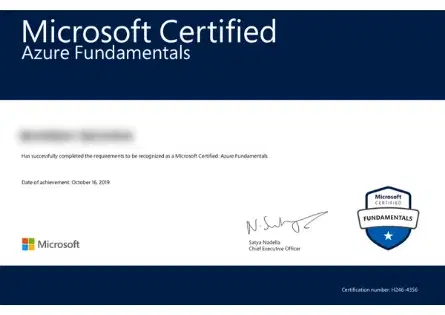
We will share available exam slots (post-training completion) with you to schedule your examination
To earn this certification you only need to pass Exam AZ-900 to earn this certification
Exam Duration - 4 days Training Session
No. of Questions - 40-60
Passing Criteria - 70%
Delivery method: Classroom
Level: Expert